
Choosing the right soil is crucial for thriving indoor autoflower grows. This article reviews five top organic soil and concentrate options designed to support autoflowering plants, emphasizing nutrient balance, drainage, aeration, and ease of use. Each product section provides key features, usage tips, and practical considerations for indoor setups.
Summary Table of Selected Products
| Product | Brand | Type | Main Benefit |
|---|---|---|---|
| California Super Soil Organic Autoflower Concentrate (5Lbs) | THEBUDGROWER | Concentrate | One-step, nutrient-rich living soil |
| Gardenera Organic Autoflower Plants Potting Soil Mix | Gardenera | Potting Soil Mix | Premium balance of nutrients, drainage, aeration |
| Nature’s Living Soil Super Soil Autoflower Concentrate | Nature’s Living Soil | Concentrate | Concentrated nutrients with microbial support |
| California Super Soil Premium Autoflower Super Soil | THEBUDGROWER | Concentrate | 100% organic, up to 30 gallons of living soil |
| Autoflower Living Soil Concentrate for Super Soil | Nature’s Living Soil | Concentrate | One-pound mix for container autoflowers |
California Super Soil Organic Autoflower Concentrate (5Lbs)

This premium soil concentrate emphasizes a balanced, organic nutrient profile designed for autoflowering plants. The concentrate is engineered to nourish roots and promote a robust, organic grow from seed to harvest. It’s marketed as a one-step solution, reducing the need for additional nutrients. The product claims to be 100% organic and more concentrated than leading brands, enabling a large yield with active microbes that aid nutrient uptake, particularly phosphorus. It is suitable for creating up to 30 gallons of Living Super Soil from a single 5 lb bag when mixed with soil medium.
Gardenera Organic Autoflower Plants Potting Soil Mix

Gardenera’s Autoflower Plant Soil Mix is designed for optimal moisture retention and aeration, leveraging premium peat moss for balance. It emphasizes the essential moisture-to-oxygen ratio critical for autoflower roots and robust development. The mix is infused with Mycorrhizae to enhance nutrient and water uptake through symbiotic root relationships, supporting vigorous growth and healthy root systems in container settings.
Nature’s Living Soil Super Soil Autoflower Concentrate
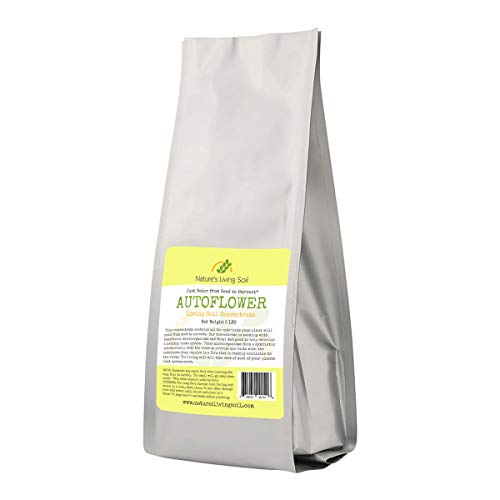
This concentrate is marketed as a microbe-rich super soil solution. After mixing with potting soil, it provides nutrients over time, reducing the need for frequent feeding. The concentrate approach aims to streamline indoor autoflower setups by delivering sustained microbial activity and nutrient availability throughout growth, potentially supporting steady yields up to harvest with minimal additional inputs.
California Super Soil Premium Autoflower Super Soil

This 18+ nutrient blend focuses on delivering a rich organic matrix for autoflowers indoors. The concentrate is designed to be mixed with soil to create Living Super Soil, enabling sustained nutrient availability and robust root development. The emphasis is on a one-bag, scalable approach that supports a range of plant sizes and indoor configurations, reducing the need for separate feeding schedules.
Autoflower Living Soil Concentrate for Super Soil

Nature’s Living Soil offers a one-pound concentrate tailored for autoflower plants. The product describes a process where the concentrate is mixed into a larger soil base with organic potting soil, enabling a growth cycle that requires minimal inputs while still delivering essential nutrients to roots throughout growth. It emphasizes simplicity in container-based autoflower setups.
Buying Guide: Key Purchase Considerations for Autoflower Soils
- Concentrate vs. premixed soil: Concentrates offer scalability and longer-term nutrient availability, while premixed soils simplify setup with ready-to-use media.
- Organic certification and microbial content: Look for products that advertise organic ingredients and beneficial microbes (mycorrhizae, bacteria) to support nutrient uptake and root health.
- Moisture management: Autoflowers benefit from soils with balanced water retention and drainage. Materials like peat moss and perlite can improve aeration and reduce root rot risk.
- pH buffering and nutrient balance: Choose soils designed to maintain favorable pH for autoflowers, typically within a near-neutral range, to optimize nutrient assimilation.
- Container and pot size compatibility: Ensure the soil volume and texture work with the intended pot sizes and indoor space constraints.
- Ease of use and maintenance: If you prefer minimal feeding, concentrates marketed as one-step solutions may be advantageous.
- Cost per growing cycle: Evaluate how many gallons of soil you can create from a concentrate and the expected yields, balancing upfront and ongoing costs.
- Brand reliability and reviews: Consider user feedback and long-term performance notes for autoflower-specific outcomes in indoor setups.
Note: This article presents objective information on product features and intended use. Prices are not provided, and no personal opinions are included. Always follow the manufacturer’s mixing and application instructions for best results in your specific grow space.