
Choosing the right potting soil is essential for vibrant poinsettias. The ideal mix provides good drainage, balanced moisture, and nutrients to support lush foliage and bracts. Below is a curated set of potting soils that work well for poinsettias and other indoor plants, with a quick reference table and practical buying tips to help you choose confidently.
| Product | Brand | Key Benefit |
|---|---|---|
| Miracle-Gro Houseplant Potting Mix | Miracle-Gro | Less prone to gnats; great for indoor houseplants |
| Old Potters All-Purpose Growing Media | Old Potters | Heavy, stable mix with pH balance for heavier plants |
| Rosy Soil Indoor Potting Soil | Rosy Soil | Biochar-enriched, peat-free option for healthy root growth |
| Miracle-Gro Organic Indoor Potting Mix | Miracle-Gro | Organic blend with quick-start fertilizer and water control |
| Michigan Peat Garden Magic Potting Mix | Garden Magic | Ready-to-use blend with moisture retention and drainage balance |
These selections cover a range of needs—from peat-based to peat-free mixes—while prioritizing drainage and moisture control, which are crucial for poinsettias’ root systems. Each option has its own strengths depending on container size, plant density, and whether you prefer organic or standard media.
Miracle-Gro Houseplant Potting Mix

Miracle-Gro Houseplant Potting Mix is designed to support indoor gardening success. It combines key components like perlite, sphagnum, and peat moss to create a balanced environment for houseplants such as pothos, spider plants, monstera, philodendron, and ivy. The formulation is described as less prone to gnats, which helps keep poinsettias healthier in indoor settings. This mix is suitable for starter plants and established houseplants alike, offering a steady supply of nutrients to promote robust growth without overwatering risk.
Miracle-Gro Organic Outdoor Potting Mix

Although marketed for outdoor container plants, this organic potting mix brings a quick-release natural fertilizer and extended feeding period of up to two months. It is crafted with peat sourced from certified producers and is compatible with many outdoor and some indoor applications. For poinsettias kept in bright sunrooms or covered patios, this mix can support steady growth, though you may want to monitor moisture to avoid overwatering indoors.
Old Potters All-Purpose Growing Media

This heavier, pre-moistened growing media blends 70-80% coarse Canadian sphagnum peat moss with coarse horticultural perlite and rich humus. It is optimized for heavier plants, making it a solid choice for poinsettias that require stability in containers. The substrate balance helps maintain adequate weight and provides a favorable pH range (roughly 5.4–6.3) with balanced electrical conductivity to support strong growth.
Miracle-Gro Potting Mix For Container Plants

This Miracle-Gro Potting Mix is designed for container plants, including flowers, vegetables, shrubs, and perennials. It feeds for up to six months, which helps reduce maintenance for poinsettias during holiday seasons with consistent growth and color. The two-bag bundle provides enough mix to fill multiple containers, supporting larger poinsettia displays over time.
Miracle-Gro Indoor Potting Mix
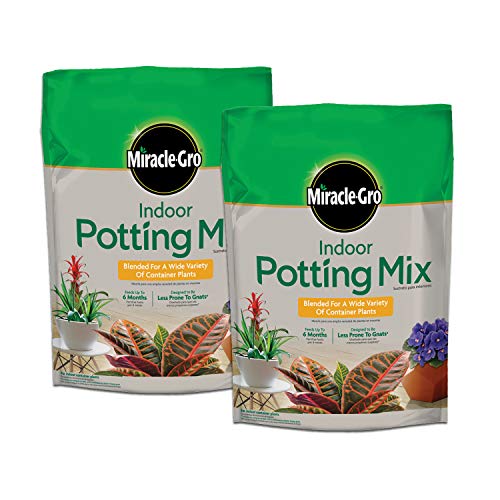
Miracle-Gro Indoor Potting Mix is blended for a wide variety of houseplants and provides benefits for both foliage and flowering plants. It includes a 6-month feeding cycle, helping poinsettias in decorative indoor containers maintain vibrant color and healthy growth. The blend is suitable for starter plants as well as established specimens, and it supports easy transplanting and re-potting routines.
Miracle-Gro Organic Indoor Potting Mix

This organic indoor potting mix protects against overwatering and underwatering, combining responsibly sourced sphagnum peat moss, coir, and a quick-start fertilizer. It is suitable for a broad range of indoor container plants, including houseplants and herbs, making it a solid choice for poinsettias in interior spaces where precise moisture control matters. The organic composition aligns with gardeners seeking a sustainable option.
Rosy Soil Indoor Potting Soil

Rosy Soil’s indoor potting mix is enriched with biochar and pine bark fines to support robust root systems and balanced moisture retention. It’s peat-free and designed to promote living soil with beneficial microorganisms, which can enhance growth for almost all houseplants, including poinsettias. The formulation aims to reduce common issues like wilting by maintaining consistent moisture and aeration in containers.
Michigan Peat Garden Magic Potting Mix

This 40-pound bag provides a ready-to-use blend with reed sedge peat, perlite, and sand. It offers good moisture retention while allowing adequate drainage, supporting both indoor and outdoor planting needs. For poinsettias, this mix provides a stable base that helps prevent waterlogging and provides a dependable structure for root development in larger containers.
Buying Guide: Key Purchase Considerations
When selecting soil for poinsettias, consider container size, plant maturity, and growing environment. Important factors include drainage, moisture retention, nutrient content, and soil pH. For poinsettias, aim for a medium-weight mix that drains well but retains enough moisture between waterings. Organic blends may appeal to those seeking sustainable options, while peat-based mixes can provide strong structure but may require more frequent monitoring in high-humidity rooms.
- Drainage vs. moisture retention: Poinsettias prefer well-draining media. Look for components like perlite or vermiculite to improve drainage.
- pH balance: Most poinsettias thrive in slightly acidic to neutral media (pH around 5.5–6.5). Some mixes include limestone to help balance pH.
- Nutrient delivery: Some formulas include slow-release or quick-start fertilizers. For longer intervals between fertilizing, choose mixes labeled for extended feeding.
- Organic vs. synthetic: Organic mixes support sustainable gardening but may have variable nutrient availability. Synthetic blends may provide more predictable early growth.
- Peat-free options: If you prefer peat-free, seek biochar, coir, and alternative substrates, noting how they affect water retention and aeration.
- Container size and plant weight: Heavier mixes can help stabilize larger poinsettias in wide containers, reducing tipping risk.
- Maintenance needs: Some blends require less frequent watering. Consider your routine and indoor humidity to choose appropriately.
For the best results, select a mix appropriate for your plant’s container size and environmental conditions, then monitor moisture and fertilizer needs throughout the season. The right soil promotes strong root systems, vibrant foliage, and long-lasting holiday color in poinsettias.