
Spider plants thrive with the right soil that drains well, buffers moisture, and provides steady nutrients. The following indoor potting mixes are among the best choices for keeping spider plants vibrant, reducing gnats, and supporting robust root development. This guide compares key features, textures, and suitability for common spider plant setups, from compact vining varieties to larger clumps.
| Product | Brand | Type | Key Benefit |
|---|---|---|---|
| Miracle-Gro Houseplant Potting Mix | Miracle-Gro | Indoor potting mix | Less prone to gnats; balanced nutrients |
| Back to the Roots 100% Organic Indoor Potting Mix | Back to the Roots | Organic indoor mix | Moisture retention with root-boosting mycorrhizae |
| Miracle-Gro Organic Indoor Potting Mix | Miracle-Gro | Organic indoor mix | OMRI listed; natural fertilizer |
| Miracle-Gro Tropical Potting Mix | Miracle-Gro | Tropical potting mix | Enhanced drainage; lava rock for aeration |
| Spider Plant Imperial Potting Soil Mix (rePotme) | rePotme | Specialty indoor mix | Freshly made; optimal water content |
Miracle-Gro Houseplant Potting Mix

Miracle-Gro Houseplant Potting Mix is designed for indoor gardening success. It combines essential elements that enable leafy varieties like spider plants to thrive, including a balance of perlite, sphagnum, and peat moss to support proper drainage and moisture retention. The mix is formulated to be less prone to gnats, a common issue with indoor potting soils, offering a cleaner, healthier root environment for your spider plant’s ongoing growth. It’s suitable for pothos, monstera, philodendron, and ivy as well, making it a versatile base for mixed houseplants.
Back to the Roots 100% Organic Indoor Potting Mix

This organic indoor potting mix emphasizes moisture retention through added yucca extract, helping keep spider plants hydrated between waterings. It also includes root-boosting mycorrhizae to support nutrient uptake and healthy root systems. The formula is peat-free, aligning with environmentally conscious choices while reducing heavy soil compaction. It’s a solid option for homes seeking an organic blend that still delivers reliable indoor performance for spider plants and other common houseplants.
Miracle-Gro Organic Indoor Potting Mix

Miracle-Gro Organic Indoor Potting Mix is OMRI-listed and blends responsibly sourced sphagnum peat moss, coir, and a quick-start fertilizer to support indoor container plants. This mix helps protect against both overwatering and underwatering by providing a balanced moisture reservoir while promoting steady root growth. It’s well-suited for starting new plants or repotting established spider plants, pothos, and other common houseplants that prefer predictable moisture levels.
Miracle-Gro Tropical Potting Mix

Designed for tropical indoor plants, this mix includes lava rock for improved drainage and aeration—an important feature for spider plants hybridizing with lush, tropical varieties. It contains a blend of sphagnum peat moss, coir, lava rock, and sand, while avoiding compost or bark that can shelter gnats. The formulation supports longer intervals between waterings, helping spider plants thrive in brightly lit, humid rooms or spaces with consistent indoor temperatures.
Miracle-Gro Indoor Potting Mix (2-Pack)
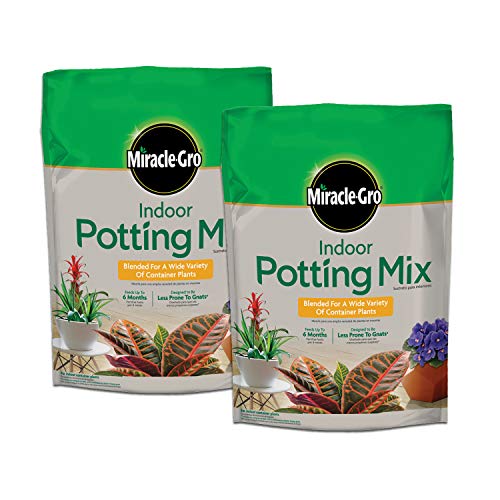
This two-pack provides a versatile, indoor-friendly soil blend that feeds for up to six months, covering a broad range of container plants, including spider plants. The mix is molded to ensure proper drainage while maintaining enough moisture to sustain root health. It’s particularly convenient for households with multiple indoor pots or larger spider plant arrangements, offering a steady nutrient supply as your plant grows and clumps expand.
Perfect Plants Indoor Plant Soil 4qt

Perfect Plants Indoor Plant Soil blends organic materials such as pine bark, coco coir, perlite, sand, and garden lime. It is designed for moisture management, quickly draining excess water while maintaining airflow to the roots. This mix supports a wide range of potted plants, including spider plants, monstera, and pothos, making it a flexible option for households with diverse indoor greenery. The balanced ingredients help reduce overwatering while ensuring roots receive oxygen and nutrients.
Buying Guide: Key Purchase Considerations
When selecting soil for spider plants, consider drainage, moisture retention, and nutrient content. Spider plants prefer a well-draining mix that holds enough water to keep roots from drying out, but not soggy. OMRI Listing can indicate organic sources and fewer synthetic amendments, which may appeal to eco-conscious buyers. For homes dealing with occasionally gnats, blends that minimize organic matter and bark can help reduce pest pressure.
Texture matters: lighter mixes with perlite or lava rock improve aeration, while coir and peat components help retain moisture in dry indoor environments. If you tend to overwater, choose a mix marketed for moisture control or one that dries more quickly between waterings. For larger spider plant clumps, a 16 qt or multi-pack option can be cost-efficient and reduce repotting frequency.
Greenhouse vs. indoor use: Indoor mixes are designed for controlled environments with lower humidity than outdoors. Outdoor blends often include different drainage profiles and fertilizers not ideal for indoor containers. Consider your light exposure, pot size, and watering routine when choosing a soil.
Root health and nutrients: Some mixes include mycorrhizae or natural fertilizers to support root growth, which can accelerate establishment and resilience. If you prefer organic options, verify certifications like OMRI or organic labels and review ingredient lists for pine bark, coco coir, and peat sources.
Re-potting cadence: Spider plants often refresh root systems every 12–24 months. If you anticipate frequent repotting, a ready-to-use indoor mix in multiple bags can simplify maintenance, while blends with extended fertilizer timelines reduce the need for immediate feeding.