
Growing tomatoes in raised beds rewards you with better drainage, warmer soils, and easier soil management. The right soil mix helps establish strong root systems, supports vigorous fruiting, and minimizes common issues like cracking and blossom end rot. The products below were selected for their balanced texture, nutrient content, and suitability for raised-bed gardens in American conditions. Each section includes practical notes on how the mix supports tomato growth, plus a quick visual reference with an image and a link to the product.
Summary of chosen products:
- Espoma Organic Raised Bed Mix
- Coast of Maine Castine Blend Soil
- Verdana Coco Coir Potting Soil Brick
- Miracle-Gro Organic Outdoor Potting Mix
- Miracle-Gro Potting Mix For Container Plants
Espoma Organic Raised Bed Mix

Espoma’s Raised Bed Mix is formulated specifically for vegetable beds, delivering a rich blend enriched with earthworm castings, alfalfa meal, kelp meal, and feather meal. The MYCO-TONE endo and ecto mycorrhizae provide a beneficial fungal network that helps tomato root systems access water and nutrients more efficiently. This blend supports strong plant growth and encourages robust fruit production, especially in contained raised-bed settings where soil biology plays a key role in vigor.
Coast of Maine Castine Blend Soil
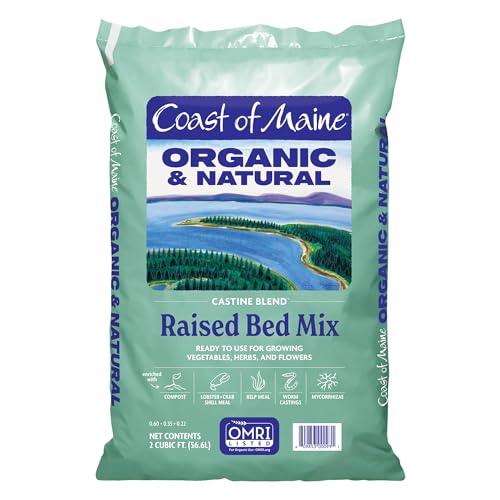
This premium raised-bed mix includes worm castings, mycorrhizae, biochar, green sand, kelp meal, and shell meals. The combination aims to deliver robust nutrient density, improved drainage, and enhanced water retention—key factors for healthy tomato plants in raised beds. The ready-to-use mix minimizes the need for additional soil amendments at planting time and supports steady growth throughout the season.
Verdana Coco Coir Potting Soil Brick

Verdana’s compressed coconut coir brick provides a peat moss alternative with excellent drainage and aeration—beneficial for warm tomato soils in raised beds. When expanded with water, the coco coir creates a light, fluffy medium that resists compaction, promoting healthy root development and steady moisture management. It’s particularly appealing for growers seeking a sustainable, organic-friendly substrate with strong root support.
Miracle-Gro Organic Outdoor Potting Mix

This organic outdoor potting mix contains a quick-release natural fertilizer and provides feed for up to two months. While designed for containers, it offers a well-balanced base for raised beds when used as a portion of the mix, helping tomatoes establish quickly and sustain growth with timely nutrition. It is made from peat sourced from certified producers, adding an element of sustainability to the soil profile.
Miracle-Gro Potting Mix For Container Plants

This two-pack potting mix feeds container plants for up to six months, potentially extending nutrient availability for tomato transplants in raised beds when used as a base. The formula supports more blooms and vibrant growth, especially when combined with periodic organic amendments. Its structured blend helps maintain soil porosity and moisture balance during warm growing periods.
Buying Guide: Key Purchase Considerations For Raised-Bed Tomatoes
Choosing the right soil mix for raised-bed tomatoes involves balancing drainage, nutrient delivery, moisture management, and soil biology. Below are essential factors to consider from multiple perspectives, helping you tailor your selection to your climate, bed size, and tomato variety.
Soil Texture And Drainage
Tomatoes prefer well-drained soil that stays evenly moist. A mix with a combination of organic matter, perlite or vermiculite, and a light, fluffy base (such as coco coir or peat alternatives) reduces root rot and pH fluctuation. Avoid dense, clay-heavy blends that compact over time and hinder root oxygenation.
Nutrient Profile And Fertilization
Raised bed soils should supply essential nutrients for steady growth, fruit development, and disease resistance. Some blends include mycorrhizal fungi to extend root access to water and nutrients. Consider your fertilization plan: pre-fertilized mixes can reduce initial feeding, but tomato plants typically benefit from a balanced, slow-release or periodic supplemental feeding as the season progresses.
Organic Versus Conventional
Organic-oriented mixes emphasize natural amendments like worm castings, kelp meal, and biochar. These contribute to soil biology and long-term soil health, but may require more careful planning to meet rapid growth demands. Conventional blends may deliver quicker nutrient availability but can vary in long-term soil health outcomes.
pH and Micronutrients
Tomatoes grow best in slightly acidic to neutral pH (roughly 6.0–6.8). Some mixes are pH-balanced or designed to maintain stable conditions. If your water and local soil tend toward extremes, you may need amendments to stabilize pH for optimal nutrient uptake.
Sustainability And Sourcing
Consider the environmental footprint of the mix: coconut coir is a renewable alternative to peat, while biochar and worm castings support soil biology. Packaging, supplier transparency, and whether the product is OMRI-listed (organic certification) are practical considerations for dedicated gardeners.
Container-Intended Versus Ground-Bed Use
Some blends are marketed for containers, which typically have different moisture dynamics than raised beds. When using container-focused mixes in raised beds, blend them with more organic matter or aeration-enhancing components to prevent compaction and maintain root health across the bed’s larger volume.
Application Tips
- Inspect the bed’s base and drainage layer before filling; ensure even distribution of the chosen mix.
- Avoid overfilling with high-nutrient mixes in the first planting; tomatoes often benefit from a balanced base plus side-dressing during fruiting.
- In hot summer climates, mulch the surface to preserve moisture and regulate soil temperature.