
Budworms and related caterpillars can devour garden foliage, vegetables, and ornamental plants. This article reviews five effective sprays that target budworms using Bacillus thuringiensis (Bt) or related contact-action principles, helping you protect crops while minimizing environmental impact. Each product is evaluated for coverage, usability, and suitability for organic gardening, so you can choose a solution that fits your yard, vegetables, and flowering beds.
The following quick-reference table lists the featured products, helping you compare at a glance before diving into detailed sections.
| Product | Brand | Form | Key Benefit |
|---|---|---|---|
| Captain Jack’s Bacillus Thuringiensis Bt | Bonide | Ready-to-Use Spray | Effective against caterpillars; safe for birds and pollinators |
| Thuricide BT Caterpillar Control | Southern Ag | Concentrate (16 oz) | Organic gardener favorite; broad caterpillar coverage |
| Monterey BT for Organic Worm Control | Monterey | Concentrate (16 oz) | OMRI-listed; versatile plant compatibility |
| Monterey Ready-To-Spray BT | Monterey | Ready-to-Use | Convenient spray for quick applications |
| Summit Caterpillar And Webworm Control | Summit | Ready-to-Use | Targeted webworm and caterpillar control |
Captain Jack’s Bt Ready-To-Use Spray
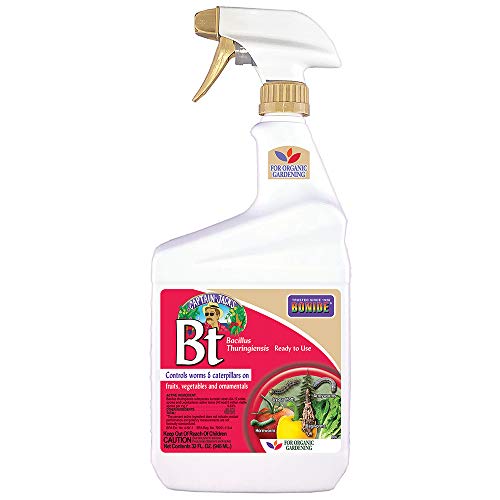
Bonide’s Captain Jack’s Bt Thuricide Ready-to-Use Spray provides a convenient option for home gardens facing cabbage looper, hornworms, tent caterpillars, and other caterpillars. The product uses Bacillus thuringiensis subspecies kurstaki (Bt-k) to injure caterpillars after ingestion, halting feeding within 2–3 days. It is designed for a wide range of fruits, vegetables, and ornamentals, including broccoli, kale, tomatoes, peppers, cabbage, and more. The formulation is contactless to birds, earthworms, and several beneficial insects when used as directed, making it a candidate for integrated pest management plans.
Usability notes: this spray is ready-to-use, reducing mixing steps. For best results, apply during early morning or late afternoon when beneficial insect activity is lower and pest feeding is high. Reapply after rainfall or as the label instructs to maintain control. While Bt is specific to caterpillars, ensure the target pest appears in the affected stage for effective ingestion-based kill. Always follow local regulations and product directions for safe use around edible crops.
Thuricide BT Caterpillar Control

Southern Ag Thuricide BT Caterpillar Control is a classic Bt-based concentrate formulated for organic gardeners. The 16-ounce size is suitable for larger garden areas or multiple applications across vegetables and ornamentals. It is described as safe to use on various edible crops, provided the label directions are followed. The concentrate approach allows flexibility in dilution, which can be advantageous when managing larger plots with a consistent pest pressure. As with all Bt products, effectiveness depends on caterpillars ingesting treated plant material.
Practical considerations: ensure thorough coverage of the plant undersides where caterpillars often feed. Water-based suspensions should be shaken well before application to maintain even distribution. Because Bt targets larvae, timing is important; apply when caterpillar activity is evident. Avoid broad-spectrum spray timing that could impact pollinators, especially during flowering. Retreatment may be necessary after rain or new leaf growth emerges.
Monterey BT Bacillus Thuringiensis (16 oz)

Monterey’s Bt concentrate is designed for organic worm and caterpillar control, including cabbage looper, bagworm, gypsy moth, and more. It highlights broad foliage protection for crops like broccoli, cabbage, melons, lettuce, and tomatoes, with a focus on conserving earthworms, bees, and other beneficial organisms when used as directed. This product is OMRI-listed, aligning with USDA organic standards, which can be an essential criterion for many home gardeners pursuing organic approaches. It provides a versatile option for gardeners who want a trusted, scalable Bt product.
Usage pointers: follow label instructions for dilutions and spray coverage. Because Bt requires ingestion, ensure that the pest is actively feeding on treated foliage. Reapply as new growth occurs or after rain, but avoid spraying during bloom periods if possible to minimize any risk to pollinators. Always store the concentrate as directed to preserve potency over time.
Monterey Ready-To-Spray BT for Organic Control

This Ready-To-Spray BT formulation from Monterey offers quick, on-demand application for organic worms and caterpillars. The convenience of a ready-to-spray product is beneficial for gardeners who need rapid intervention without mixing concentrates. As with other Bt products, efficacy depends on ingestion by the target caterpillars. The spray works on a broad range of vegetables, fruits, and ornamentals, and it is designed to be compatible with environmental safety standards, including the protection of bees and earthworms when used as directed.
Application tips: cover the active feeding areas thoroughly and apply during lower wind conditions to limit drift. Reapply after rain or after new leaf flush. Because this is a Bt-based product, timing with pest life stages is critical for maximizing control while protecting beneficial insects during non-peak flowering times.
Summit Caterpillar And Webworm Control

Summit’s Caterpillar and Webworm Control is a dedicated spray for managing caterpillars and webworms. While the specific active ingredients are not listed in the provided data, the product is positioned for direct application on affected foliage to suppress pest feeding. This option can be suitable for gardeners dealing with layered caterpillar threats in vegetable plots and ornamental plantings where webworm and other caterpillars are present. As with Bt-based products, correct timing and thorough coverage are essential for optimal results. Consider combining with targeted scouting to determine peak feeding windows.
Buying Guide: Key Purchase Considerations And Comparisons
- Active ingredient and pest specificity: Bt-based sprays target caterpillars and worm-like pests after ingestion, making them ideal for budworms. If you need immediate knockdown of a variety of pests, consider products with broader actionable profiles like insecticidal soaps for contact control, though they may affect beneficial insects if not used carefully.
- Formulation and convenience: Ready-to-use sprays offer quick applications, while concentrates require mixing but can cover larger areas at a lower per-use cost. Choose based on garden size, frequency of treatments, and storage capabilities.
- OMRI and organic compatibility: For organic gardens, select products with OMRI listing or explicit organic-use labeling. This ensures adherence to organic standards and minimizes non-target impacts on pollinators when used correctly.
- Plant compatibility and crop safety: Most Bt products are safe for vegetables, fruits, and ornamentals, but always verify crop-specific guidance on the label. Some sprays may be more suitable for leafy greens or fruiting crops depending on timing and coverage.
- Mode of action and resistance management: Bt requires ingestion, so ensure caterpillars are actively feeding on treated foliage. Rotate products or combine with non-insecticidal cultural practices to reduce the risk of pest resistance over time.
- Environmental considerations: Bt products generally have minimal impact on birds, earthworms, and beneficial insects when applied correctly. Avoid spray applications during flowering when pollinators are active to protect pollination services.
- Reapplication and weather: Rainfall washing off the residue necessitates reapplication per label guidelines. Warm, dry days with moderate humidity typically aid spray efficacy and adherence to foliage.
- Coverage and target area: For larger plots, consider concentrates that you can dilute to cover extended areas. For small container gardens or raised beds, a ready-to-use spray offers quick intervention with minimal setup.
In summary, the five selected products provide a spectrum of Bt-based and compatible options for budworm control across vegetables, fruits, and ornamentals. By prioritizing organic labeling, proper timing, and thorough coverage, you can maintain healthy plants while minimizing effects on non-target species.