
If you’re searching for a stock tank around three feet deep, you’re likely evaluating durability, size, and versatility for livestock watering, outdoor tubs, or make-do pool setups. This guide highlights five strong choices that balance rugged construction with practical features. Each option is suitable for different buyers—farms needing dependable water troughs, homeowners seeking temporary pools, or pet care setups requiring easy cleaning. The table below compares core specs to help you decide quickly.
| Product | Capacity | Material | Best For |
|---|---|---|---|
| Rubbermaid 100-Gallon Stock Tank | 100 gallons | Rigidcell foam plastic | Large livestock waterers, rugged outdoor use |
| Rubbermaid 50-Gallon Stock Tank | 50 gallons | Rigidcell foam plastic | Medium livestock, pets, or home use |
| Galvanized 70 Gallon Stock Tank | ~70 gallons | Galvanized steel | Agricultural settings, long-lasting metal option |
| High Country Plastics 30 Gallon Aqua Stock Tank | 30 gallons | Polyethylene | Compact, durable for various animals |
| Behlen Country 27 Gallon Rigid Poly Tank | 27 gallons | Rigid polyethylene | Smaller livestock or dependable water trough |
Rubbermaid Commercial 100-Gallon Stock Tank Review

The Rubbermaid 100-Gallon Stock Tank uses durable rigidcell foam construction designed for long-lasting outdoor use. Its 100-gallon capacity provides ample water for larger livestock or group use without frequent refills. The container is American-made, aligning with buyers who prioritize domestic manufacturing. This stock tank is best for commercial farms or larger properties that require a sturdy, weather-resistant water trough with a straightforward maintenance profile.
Best for: Large livestock operations or commercial settings where a robust, long-wearing trough is essential. The 100-gallon size suits horses, cattle, and multi-animal watering setups. Choose this if you need a high-capacity, heavy-duty option that stands up to harsh weather.
Caution: The heavier, bulkier profile can be harder to move or reposition, and you’ll want to plan for drainage or cleaning access. While the warranty is generous, verify installation and use in your climate to maximize longevity.
Rubbermaid 50-Gallon Stock Tank: Durable Yet Manageable

This 50-gallon tank provides a middle-ground between capacity and maneuverability. Built with the same rigidcell construction as the larger variant, it remains robust in varied weather conditions and is supported by Rubbermaid’s decade-long warranty. It’s well-suited for mid-sized herds, multiple pets, or use as a training trough for cattle or horses without the bulk of a larger tank.
Best for: Farms or properties needing a sturdy, portable trough for everyday watering or routine cleaning tasks. It’s a strong choice when space, weight, and ease of handling matter more than the largest capacity.
Limitation: While versatile, the 50-gallon size may require more frequent refills for high-demand animals compared with a 100-gallon model, especially in hot weather or drought conditions.
70 Gallon Galvanized Stock Tank — Metal Durability

Designed from premium G90 galvanized steel, this stock tank offers strong corrosion resistance and long service life in barnyards and pastures. Its heavy-duty bottom and sidewalls help it resist denting and deformation under routine livestock use. The 70-gallon capacity fits medium-sized herds or mixed-use scenarios where a metal trough is preferred for durability and classic appearance.
Best for: Buyers who value metal troughs for long-term outdoor use, resistance to impact, and a traditional look. It’s also a good option where refueling or frequent replacement is a concern, given galvanized steel’s robustness.
Caution: Metal troughs can heat up quickly in full sun, potentially affecting water temperature for livestock. Ensure shading or float studies consider livestock comfort in hot climates.
High Country Plastics 30 Gallon Aqua Stock Tank
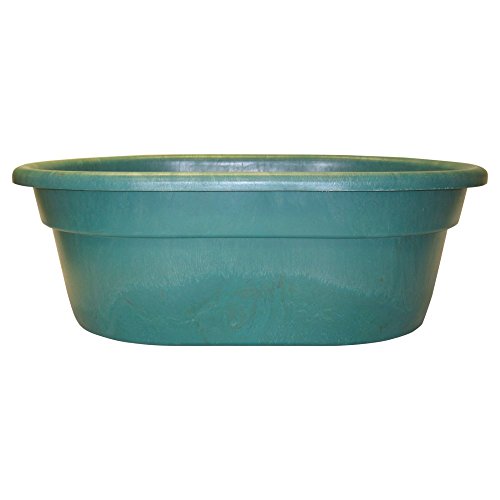
This 30-gallon poly stock tank emphasizes impact resistance and durability while remaining lighter and easier to handle. The Aqua Green color supports outdoor visibility and Aesthetics, making it a practical choice for farms or homes seeking a resilient, lower-volume trough for pets, small livestock, or as a temporary pool solution during warm months.
Best for: Small to mid-sized properties or urban homesteads needing a portable, tough plastic trough without the bulk of larger tanks. Better for lightweight usage or as a secondary trough for rotating animals.
Limitation: With lower capacity, it’s less suitable for high-demand livestock or multi-animal watering without more frequent filling and maintenance.
Behlen Country 27 Gallon Rigid Poly Stock Tank

The Behlen Country 27-gallon model focuses on a compact, dependable water trough design. Its rigid polyethylene construction supports daily livestock tasks and cleanouts in barns or outdoor pens. The smaller footprint makes it easy to transport and place in tight spaces while meeting discrete watering needs for smaller herds or individual animals.
Best for: Buyers with limited space or those who need a nimble trough for small to mid-sized livestock. Choose this if you require a reliable, lightweight option for frequent cleaning or relocation.
Limitation: The 27-gallon capacity may require more frequent refilling for larger animals or high-demand groups, particularly in hot seasons or drought conditions.
Buying Guide: Stock Tank Depth, Material, And Use Case
- Depth and capacity: A 3-foot deep stock tank provides substantial water head, ideal for larger livestock or group watering. Deeper tanks reduce spillage and evaporation but are heavier and harder to move. Pick capacity based on number of animals and refill frequency.
- Material matters: Poly tanks are lighter and often cheaper; galvanized steel offers rugged durability but can heat water in sun. Rigid foam plastics balance durability with lighter weight. Consider climate, UV exposure, and cleaning ease when choosing material.
- Portability vs. permanence: Smaller tanks (like 27–30 gallons) are easier to relocate and maintain, good for rotating stock or temporary setups. Larger tanks suit stationary watering systems or permanent barn installations.
- Maintenance and cleaning: Look for smooth interiors and wide rims to facilitate cleaning. A drained, accessible design helps with periodic maintenance and parasite control in livestock settings.
- Warranty and origin: Domestic manufacturing can support easier warranty claims and availability of parts. Warranties vary; a longer-term warranty often reflects confidence in durability.
- Placement considerations: Position tanks away from direct sun in hot climates to reduce water temperature and algae growth. Provide shade or cover for animal comfort when needed.
Frequently Asked Questions
- What depth is best for cattle troughs? A depth around 2.5 to 3 feet is common for cattle, allowing head clearance and reducing spill risk while enabling confident drinking access.
- Are galvanized tanks better than plastic? Galvanized tanks offer superior rigidity and longevity in rough environments but can heat water; plastics are lighter and can resist rust but may dent or warp under heavy use.
- How do I prevent algae in stock tanks? Use shaded locations, maintain proper turnover with water, and clean regularly. Consider covers or automatic fill systems to limit sunlight exposure.
- Can these tanks be used as pools? Yes, some tanks are sized and designed for temporary pool use, but check material safety and cleaning requirements before filling with people or pets.
- Is a higher-capacity tank always better? Not necessarily. Higher capacity is beneficial for multiple animals or long intervals between fills, but it increases weight and maintenance effort.
- What maintenance schedule is typical? Regular cleaning every 1–2 weeks, depending on usage; draining and sanitizing monthly or as needed for livestock health.