
Preparing a resilient garden starts with diverse, reliable seeds. The following selection highlights top survival seed vaults and kits designed for long-term storage, wide hardiness, and strong germination. Each option emphasizes non-GMO or heirloom varieties, storage-ready packaging, and broad, year-round planting potential. Use this guide to compare seeds, consider storage methods, and plan a robust backup food supply for unexpected disruptions.
| Product | ||
|---|---|---|
| Open Seed Vault 15,000 Non GMO Heirloom Veggies | 32 varieties | 15,000 |
| Gardeners Basics Survival Kit | 35 varieties | Over 16,000 |
| Ultimate Non-GMO Heirloom Vault | 144 varieties | 23,000 |
| HOME GROWN 55 Seed Pack | 55 varieties | 28,000+ |
| Personal Seed Vault | 36 varieties | 38,000+ |
Open Seed Vault 15,000 Non GMO Heirloom Seeds

This 32-variety heirloom seed pack emphasizes a large total seed count (15,000) to support substantial harvests and long-term storage. The seeds are non-GMO and heirloom, allowing for seed-saving practices that align with sustainable gardening. The mix aims to balance crops that store well, mature at different times, and suit diverse growing conditions, making it a practical core for a survival garden plan.
Gardeners Basics Survival Vegetable Seeds Garden Kit
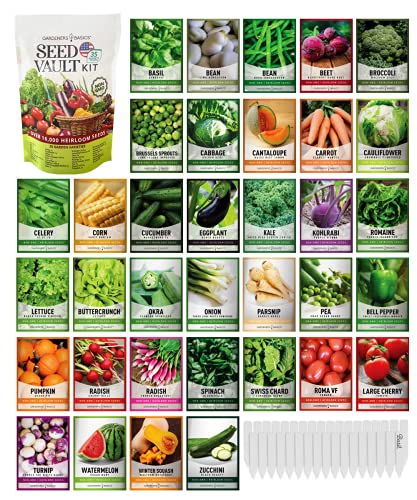
With over 16,000 seeds across 35 varieties, this kit prioritizes practicality for emergency readiness and home gardens. The pack includes staples like lettuce, carrots, tomatoes, peppers, and beans, covering multiple culinary needs. Packaging is designed to minimize mold risk, and each variety comes with growing instructions. The product is sourced in the USA, which can support domestic seed safety standards. It’s suitable for indoor setups or traditional plots, offering a broad foundation for rapid, diverse cultivation during crises.
Ultimate Non-GMO Heirloom Survival Seed Vault

This vault combines 23,000 open-pollinated seeds across 144 varieties, designed to thrive across all USDA hardiness zones with a high germination rate. It emphasizes long-term viability and adaptability, useful for diverse climates from arid to temperate. The emphasis on non-GMO, heirloom selections supports seed-saving and stable genetics for future seasons. It serves as a comprehensive baseline for a resilient garden that can endure supply chain disruptions and shifting weather patterns.
HOME GROWN Premium 55 Vegetable Seeds Pack

This kit offers 55 heirloom varieties with more than 28,000 non-GMO seeds, designed for home gardens, greenhouses, and self-sufficiency growing. It supports year-round planting with a carefully selected mix that adapts to different climates and soils. The resealable packaging helps preserve seed viability across seasons, making it a flexible option for varied storage conditions and long-term planning in a survival scenario.
Personal Seed Vault – 38,000+ Seeds

This collection emphasizes a large seed reserve with 36 widely-used varieties and a total exceeding 38,000 seeds. In addition to the physical seeds, it includes access to an online growing guide, expanding practical support for planning, planting, and seed saving. The kit is suitable for households prioritizing food independence and provides a knowledge resource that can help optimize crop choices and timing under diverse conditions.
Buying Guide
- Seed diversity: Choose vaults with a broad mix of vegetables, fruits, and herbs to ensure a balanced diet and pollination benefits in your garden.
- Non-GMO and heirloom options: Prefer open-pollinated or heirloom seeds when possible to facilitate seed saving and long-term viability.
- Germination and viability: Look for information on germination rates and the storage conditions recommended by manufacturers (cool, dark, dry, and moisture-controlled environments).
- Storage and packaging: Resealable packaging, Mylar bags, and moisture control features help extend seed life. Consider oxygen absorbers for longer shelf life.
- Hardiness and zone compatibility: Review the USDA hardiness ranges and climate adaptability to ensure your seeds perform in your region.
- Seed count and variety balance: Higher seed counts can be useful for back-to-back seasons, but ensure there’s a practical mix of quick-growing and long-season crops for staggered harvests.
- Storage plan: Create a dedicated seed storage area—cool, dark, and dry; label by variety and year; rotate stock to keep older seeds planted first.
- Seed-saving potential: If you want to preserve genetics, prioritize varieties known for reliable seed saving and stable traits across generations.
- Accessibility and support: Check if the kit includes growing guides, planting instructions, and troubleshooting tips to support beginners and seasoned gardeners alike.
- Cost vs. return: Weigh the total seed count and variety against your budget and available growing space to determine value for your specific needs.
For a comprehensive survival gardening plan, pair these seed vaults with practical storage gear, irrigation planning, and crop rotation strategies. While each kit offers distinct advantages, a multi-vault approach can maximize resilience by ensuring a mix of crop types, seasonal viability, and seed-saving capability. The selections above provide a solid foundation for American readers focused on long-term food security, home gardening, and emergency preparedness.