
Looking for terracotta-inspired patio tiles that blend warmth, texture, and durability? This guide highlights five top Amazon selections that fit a terracotta aesthetic while offering practical outdoor performance. Best for those who want easy installation, weather resistance, and a classic terracotta look for patios, decks, or outdoor living spaces. Below you’ll find quick picks, a buyer’s table, and a concise buying guide to help compare options.
Summary table of chosen products:
| Product | Best For | Notes |
|---|---|---|
| Deck Tiles – 6-Pack Pure Garden (Terracotta) | Budget-friendly patios, quick installs | Interlocking, 11.5″ tiles, 5.5 sq ft coverage |
| Pure Garden 50-LG1190 Patio Tiles (Terracotta, 6 Pcs) | Slip-resistant outdoor spaces | Criss-cross pattern, weather-resistant |
| Tenedos Red Quarry Tile (6×6, Terracotta look) | High-traffic commercial or busy patios | Non-slip, durable ceramic |
| Deck Tiles – 24-Pack Pure Garden (Terracotta) | Medium to large patios | Wood-Plastic Composite, 23 sq ft coverage |
| Pure Garden 12-Pack Interlocking Tiles (Terracotta) | Versatile outdoor floors | 11.5″ tiles, 11 sq ft coverage |
Deck Tiles – 6-Pack Pavers by Pure Garden
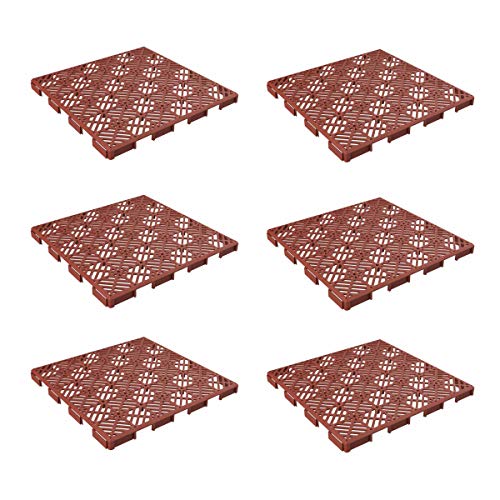
Best for budget-friendly DIY patios. These interlocking polypropylene tiles are designed for airflow and drainage, helping prevent moisture buildup. The 11.5-inch tiles cover 5.5 square feet per 6-pack, making it easy to estimate material needs for small to medium spaces. Suitable for direct sun, they resist fading and decay. Installation requires a leveled, flat area free of debris and does not require tools.
Who it’s best for: homeowners seeking quick, tool-free installation and a terracotta-inspired look without a heavy price tag. Why selected: strong value, easy setup, good drainage for patios and pool areas.
Limitations: Not a solid wood substitute—more susceptible to chipping if moved or dragged. May require trimming or spacing adjustments for irregular surfaces.
Pure Garden 50-LG1190 Patio and Deck Tiles
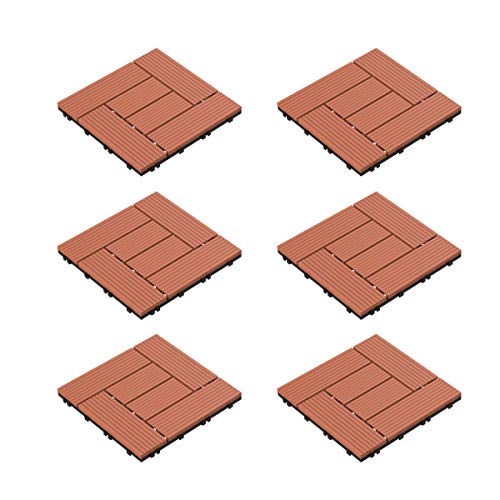
Better for small-to-medium outdoor areas where a criss-cross tile pattern adds visual interest. These interlocking tiles are eco-friendly with a composite plastic and wood make, avoiding staining or sanding. They resist moisture and fading, making them well-suited to direct sun-exposed patios. The open design enhances airflow to reduce puddling after rain.
Who it’s best for: buyers prioritizing environmental considerations and maintenance-free upkeep. Why selected: durable, weather-resistant, and easy to assemble without tools.
Limitations: Not a solid ceramic tile; appearance and feel differ from traditional clay terracotta. Be mindful of color variations between batches.
Tenedos Red Quarry Tile – 6×6 (Terracotta Look)

Best for high-traffic areas requiring durable, slip-resistant surfaces. This heavy-duty ceramic tile is designed for commercial kitchens, restaurants, and busy entryways, but it also suits patios seeking a traditional quarry tile aesthetic. Its dense composition and unglazed finish provide long-term wear resistance and stain concealment.
Who it’s best for: commercial or residential spaces where high durability and safety are priorities. Why selected: strong slip resistance and classic red quarry appearance.
Limitations: Larger 6×6 format may require precise spacing and cutting for irregular patio layouts.
Deck Tiles – 24-Pack Wood Plastic Composite

Best for larger patios that require a coordinated terracotta tone with minimal maintenance. The 24-pack covers about 23 square feet, featuring wood-plastic composite tiles that resist weathering and fading. Quick, tool-free installation is possible on leveled surfaces, and airflow/drainage reduces moisture-related issues.
Who it’s best for: homeowners expanding outdoor living spaces with a consistent terracotta palette and easier upkeep. Why selected: large coverage, durable material, and sun exposure resilience.
Limitations: Color and texture may vary by batch; ensure consistent look by mixing tiles from the same lot when possible.
Pure Garden 12-Pack Interlocking Tiles (Terracotta)

Best for versatile outdoor floors in medium spaces. Each tile measures 11.5 inches and the 12-pack covers about 11 square feet, with easy interlocking for quick assembly. Designed to withstand outdoor conditions and direct sunlight, these tiles provide a warm terracotta look with practical drainage.
Who it’s best for: those seeking a mid-size, versatile option with straightforward installation. Why selected: balanced coverage, simple setup, and weather resistance.
Limitations: Slight color variation and tile edges may appear uneven on very irregular surfaces; leveling is important for a smooth finish.
Buying Guide: Terracotta Tile Choices For Patios
What should you consider when choosing terracotta-toned outdoor tiles?
- Material type: Ceramic, porcelain, wood-plastic composite, or polymer pavers each have different durability, weight, and maintenance needs. For high-traffic outdoor spaces, ceramic or porcelain with slip resistance is common, while WPC options offer easier installation and moisture tolerance.
- Installation method: Interlocking tiles with tool-free setup are ideal for DIY projects and temporary patios. Solid placement on leveled ground requires more preparation but may provide a more permanent look.
- Drainage and airflow: Tiles with open designs and proper spacing reduce water pooling and prolong surface life in rain-prone areas.
- Color stability: Direct sun exposure can cause fading. Look for fade-resistant materials and UV-stable finishes to preserve the terracotta look over time.
- Coverage and layout: Calculate total square footage and consider patterns (solid blocks vs. criss-cross) to achieve a cohesive patio design. Group tiles by batch to maintain uniform color and texture.
- Maintenance: Some options require little to no staining or sealing, while natural wood looks may need periodic care. Evaluate cleaning needs based on usage and climate.
Frequently Asked Questions
- Are terracotta patio tiles slippery when wet? Some terracotta options feature textured or slip-resistant surfaces; always check the tile’s safety features for wet conditions.
- Can I install terracotta tiles on an uneven deck? Most interlocking systems require a flat, level surface for best results. Fill low spots and remove debris before installation.
- Do terracotta tiles resist fading in sun? Look for UV-resistant materials; direct sunlight can fade lighter terracotta shades over time.
- How much maintenance do terracotta outdoor tiles require? Maintenance varies by material; many options now resist staining and moisture, reducing upkeep needs. Cleaning with a mild solution is typically sufficient.
- Which tile type is best for a coastal area? Coastal climates benefit from moisture-resistant, UV-stable tiles such as polymer or WPC options designed for outdoor use.
- Is interlocking better than traditional laid tiles? Interlocking tiles offer faster installation and easier replacement, especially for DIY projects and temporary setups.