
When towing a dinghy, choosing the right towing bridle helps distribute pulling force evenly, reduces the risk of capsizing, and keeps all lines visible and controlled. This guide highlights top bridles designed for small boats, inflatable dinghies, and inflatable boats. It targets boaters who want reliable, American-made options, heavy-duty performance, and clear visibility on the water. The following selections are best for weekend sailors, dinghy owners, and small-boat skippers seeking safer towing operations. A quick buying table follows the introductions to compare key details at a glance.
| Product | Type | Best For |
|---|---|---|
| C-Level, Inc 3 Point Dinghy Towing Bridle | 3-point, stainless hardware | Who values American-made, all-metal hardware, and balanced pulling |
| FEIJAZUM 3 Point Dinghy Towing Bridle with Float | 3-point with float | Inflatable boats needing buoyant, clearly visible lines |
| FEIJAZUM 2 Point Dinghy Towing Bridle with Float | 2-point with float | Simple, reliable towing with bright float for visibility |
| Marine Part Depot Dinghy Towing Bridle with Float | Single-dinghy towing bridle with float | Low-profile setup with float for visibility |
| SENKEYFE Tow Straps V Bridle | V-bridle recovery strap | Heavy-duty recovery and towing tasks on or off water |
C-Level, Inc 3 Point Dinghy Towing Bridle
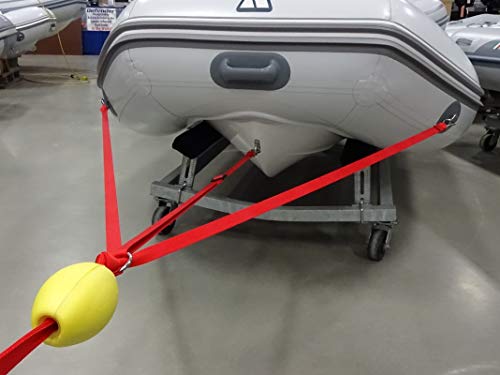
This 3-point towing system uses an adjustable middle leg to balance forces across the dinghy, promoting straight-line pulling and reducing side-to-side drift. Best for boaters who want a robust, domestic-made solution with durable stainless hardware for towing rings and snap hooks. The yellow float enhances visibility and helps prevent sinking when not fully loaded. Choose this if you prioritize American manufacturing, balanced pull, and corrosion resistance for occasional tows.
Best for: Skippers who want maximum stability with a U.S.-made build. Caution: Heavier setup may require more room and careful rigging at the stern.
FEIJAZUM 3 Point Dinghy Towing Bridle with Float
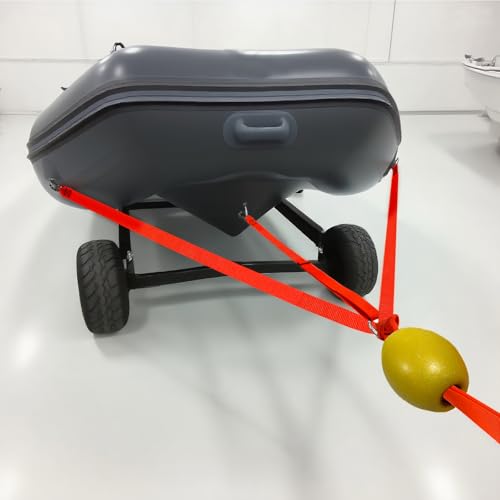
This 3-point bridle uses an adjustable middle leg to balance pulling forces across both sides, helping dinghies stay on a straight trajectory. Made with 1-inch high-strength polyester webbing and a high-density yellow buoyancy module, it floats and resists water absorption. Better for long-term offshore use due to chemical stability. Best for inflatable or dinghy boats needing consistent, visible towing lines. Caution: Polyester material performs best with regular inspection for wear in saltwater conditions.
Best for: Vessels requiring even force distribution and float visibility. Caution: Monitor for wear in harsh seas.
FEIJAZUM 2 Point Dinghy Towing Bridle with Float

This 2-point design focuses on simplicity and practical towing for inflatable boats. The included float keeps the line afloat and highly visible, aiding quick hook-ups and reducing entanglement risks near propellers. Best for: Small to mid-sized inflatables needing reliable, straightforward towing. Caution: Fewer attachment points offers less control compared to a 3-point system.
Marine Part Depot Dinghy Towing Bridle with Float

A straightforward dinghy towing bridle with a float designed to keep the line buoyant. It provides basic floatation and visibility essential for safe towing operations. Best for: Simpler towing setups where minimal components are preferred. Caution: Data shows limited details on material specs, so inspect for wear and tear before long voyages.
SENKEYFE Tow Straps V Bridle

This V-bridle is a heavy-duty recovery strap designed for vehicle towing, with a 3″ x 24″ footprint and 16,200 LBS breaking capacity. It includes 8″ J hooks and a forged triangle ring to secure attachments, making it suitable for towing larger wheeled craft or for land-based recovery operations. Best for: Heavier towing tasks and recovery scenarios. Caution: Not specifically designed for small-dinghy water towing; verify compatibility with your dinghy setup.
Buying Guide
What mounting type is best for my dinghy?
3-point bridles distribute weight evenly and minimize yaw, ideal for windier days or lighter skiffs. Two-point designs are simpler, lighter, and easier to rig for smaller inflatables. If you frequently tow larger or heavier loads, consider V-bridle options with higher breaking strength.
What material should I expect?
Look for high-strength polyester webbing for chemical stability and durability. Floats or buoyant modules ensure the line remains on the surface and visible, reducing entanglement risk near propellers.
Is float visibility important?
Yes. Bright yellow or high-visibility floats enhance hook-up speed and keep the towing line from sinking or becoming obscured in waves. This is especially important for dinghies or inflatables with flexible lines.
What about hardware and corrosion?
Stainless steel or galvanized hardware resists corrosion in saltwater environments, extending service life. Inspect hardware and attachment points regularly for wear, especially after exposure to waves and spray.
How do I choose for a dinghy vs. larger craft?
Dinghy-specific bridles emphasize adequate attachment points, line length, and buoyancy features. For inflatables, ensure the bridle prevents line tangling with propellers and provides stable tracking. For larger tows, prioritize load capacity, secure fittings, and compatibility with your tow vehicle or vessel.
Maintenance and inspection tips
- Inspect stitching, seams, and hardware for signs of wear or corrosion after each use.
- Rinse with fresh water after saltwater towing to prevent salt buildup.
- Avoid exposing bridles to high heat or sharp edges to prevent fraying.
- Store in a dry, shaded area away from direct sunlight when not in use.
FAQ
- What is the advantage of a 3-point bridle over a 2-point design? – A 3-point system distributes load more evenly, improves stability, and reduces the risk of sideways drift, especially in choppy water.
- Should I use a float with my dinghy bridle? – Yes. A float keeps the line buoyant and highly visible, lowering entanglement risk near propellers and helping quick hook-ups.
- Is it necessary to buy American-made bridles? – It can matter for perceived build quality, availability of parts, and domestic manufacturing standards, depending on the product and your preferences.
- Can I use a recovery V-bridle for dinghy towing? – V-bridles are better suited for heavy-duty recovery tasks on larger vehicles; for small dinghies, a dedicated dinghy bridle is typically more practical.
- What maintenance should I perform before towing? – Inspect all lines, hooks, and rings; ensure floats are buoyant; check for fraying; and confirm secure attachment points on both vessels.
- How do I determine the right load capacity? – Match the bridle’s working load limit to the expected towing force and consider peak loads if towing in rough water or with heavier inflatables.