
Growing vegetables in shaded or partially shaded spaces is increasingly practical with the right shade solutions. This guide highlights five shade cloth products that help regulate sun, keep soil cooler, and improve airflow for shade-loving crops. Each option balances light diffusion, durability, and easy installation so gardeners can extend the growing season without sacrificing plant health.
Summary of selected products:
| Product | Brand | Shade Coverage | Size |
|---|---|---|---|
| Agfabric 30% Sun-Block Shade Cloth Net Mesh Shade | Agfabric | 30% sunblock | 6×12 ft |
| QLOFEI Shade Cloth for Patio | QLOFEI | 40-50% sunblock | 4×8 ft |
| winemana Black Shade Cloth 90% | winemana | 90% shade | 5×20 ft |
| Sukh Shade Cloth for Garden | Sukh | 60% shade | 6.5×10 ft |
| POYEE 90% Shade Cloth | POYEE | 90% shade | 8×15 ft |
Agfabric 30% Sun-Block Shade Cloth

Agfabric’s HDPE shade cloth offers a balanced 30% sun reduction, designed to cool vegetable beds, greenhouses, and chicken coops. The knitted construction minimizes tearing and fraying while maintaining airflow and water penetration. This versatility is valuable for gardeners who need a lightweight cover that stays in place through watering and light rain. The durable material also suits outdoor garden benches, patios, and kennel areas where temperature control matters. A key benefit is its ability to reduce heat buildup without completely cutting off sun, keeping root zones cooler and healthier for shade-tolerant vegetables such as leafy greens, herbs, and certain root crops.
Primary features include: high-density polyethylene composition for tear resistance, breathable mesh that allows water and air to pass through, and flexible application across garden beds, greenhouses, and poultry areas. The value lies in a simple, durable solution that works across seasonal shifts while reducing heat stress on plants like lettuce, spinach, and kale. Installation remains straightforward with the option to use clips or ties, and the cloth’s dark color offers additional heat absorption control on hotter days.
Best use scenarios: semi-shaded beds in late spring and summer, protecting young transplants from intense sun, or extending the growing season in regions with strong afternoon sun. For gardeners who need a modest shade reduction without complex hardware, Agfabric’s shade cloth can be a dependable, low-maintenance option.
QLOFEI Shade Cloth for Patio

QLOFEI offers a 40-50% sunblock shade cloth designed for patios, gardens, and plant covers. Its breathable HDPE material supports airflow while filtering direct rays, making it suitable for vegetable patches that require protection from heat while still receiving light for photosynthesis. Grommets along reinforced edges facilitate sturdy mounting on pergolas, fences, or garden frames. This option balances shade with airflow, which is especially beneficial for crops like lettuce, spinach, herbs, and peppers that can suffer from heat stress in direct sun.
Key advantages include: durable, lightweight construction; consistent shade level to prevent overheating; and reinforced corners to withstand wind and movement. The product is suited for greenhouse side shading, open-field plantings, and kennel or coop shading where a cooler microclimate improves plant vigor. Its versatility also supports summer cooling for outdoor seating areas adjacent to garden beds, enabling extended outdoor growing seasons.
Purchase considerations: determine the expected sun hours in your space and align with the cloth’s shade percentage. For shade-tolerant crops, aim for the mid-range shade cloths (40-50%). Quick and easy installation makes QLOFEI a practical choice for renters or seasonal gardens that require frequent rearrangement.
winemana Black Shade Cloth 90%

Winemana’s 90% shade cloth focuses on substantial sun protection while still allowing airflow, making it suitable for areas with intense sun exposure. The extended 5×20 ft size offers coverage for larger beds, greenhouses, or covered patios. This high shade rate is ideal for heat-sensitive crops such as tomatoes, peppers, and leafy greens during peak sun, helping reduce leaf scorch and soil moisture loss. Reinforced grommets along edges support stable mounting across frames, fences, or hoop structures, enabling secure setup in windy locales.
Considerations include: extreme shading may reduce photosynthesis for some crops, so pair with informational planning to rotate shade levels by season. For shade-tolerant vegetables, this high-shade option prevents overheating and encourages steady growth in hot climates. It can also serve as a windbreak and privacy screen in outdoor chicken coops or dog kennels while maintaining airflow essential for animal comfort.
In practical terms, use winemana cloth to cap larger greenhouses, side-coverage for sun-battered beds, or a patio shade zone where plants require protection without complete sun exclusion. The balance between shade density and air movement makes it a robust choice for hot summer regions.
Sukh Shade Cloth for Garden
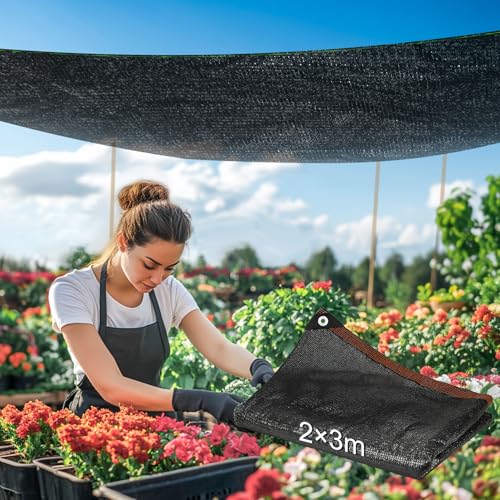
Sukh’s 60% shade cloth provides a middle-ground solution for outdoor spaces requiring a moderate reduction in sunlight. The 2 x 3 m panel size is convenient for irregular bed shapes and smaller greenhouses. Made from polypropylene with UV resistance, it offers durability in various weather conditions while maintaining airflow and light diffusion essential for plant health. This shade cloth supports a soft-filtered light environment, reducing direct sun exposure on tender leaves without completely blocking photosynthesis.
Useful applications include balconies, open-air courtyards, carports, and poultry areas where shade is needed but ventilation remains critical. The mesh design contributes to comfortable outdoor conditions for both plants and people, helping extend growing seasons in transitional climates. It’s a practical option for gardeners who want a simple, adaptable solution without the complexity of larger coverings.
When choosing Sukh, consider how the mesh size and color influence heat absorption and light penetration. Lighter tones with similar shading can work well in regions with cooler nights, while darker shades may better suppress heat in hotter environments. Regular inspection ensures seams and edges remain intact during seasonal changes.
POYEE 90% Shade Cloth

POYEE’s 90% shade cloth delivers very high sun protection with strong HDPE composition. The 8×15 ft size accommodates larger garden beds, greenhouses, or pergola shading, offering substantial heat reduction while allowing air and water to pass through for plant and soil health. Its taped edges and brass grommets promote a secure, wind-resilient installation, making it suitable for extensive shade covers or modular garden enclosures. This cloth supports early starts in hot climates and summer protection for drought-prone areas, ensuring crops receive sufficient light without overheating.
Key considerations include shade level alignment to crop needs and local climate. High-shade fabrics work well for heat-sensitive crops during peak sun but may require occasional removal or shading for crops needing more light. POYEE’s robust construction helps ensure longevity across seasons, with easy maintenance and repair options if seams loosen or grommets loosen over time.
Buying Guide: Shade Cloth Purchase Considerations
- Shade percentage: Lower percentages (30-50%) are suitable for partial shade, while higher percentages (60-90%) suit areas with intense sun. Match to crop needs—leafy greens tolerate more shade; sun-loving vegetables may require partial shading during peak heat.
- Material and durability: HDPE is common for strength and UV resistance. Polypropylene offers lightweight, flexible options but may be less durable in windy regions.
- Size and coverage: Measure beds or structures to choose an appropriate size. Larger fabrics provide more flexibility but require secure mounting. Grommets and reinforced edges improve longevity in windy settings.
- Airflow and water permeability: Ensure the cloth allows sufficient airflow and water passage to reduce heat buildup and prevent mold or root stress.
- Installation needs: Consider existing frames, hoops, or fencing. Some products include easy mounting, while others may require clips, ties, or hardware.
- Versatility: Shade cloths can serve multiple roles—from greenhouse shade to patio covers and animal enclosures. A broader use-case increases value for gardeners with varied spaces.
- Maintenance: Look for machine-washable fabrics or those that resist tearing and fraying. Reinforced corners and edges extend life with regular weather exposure.
- Seasonal planning: Use lighter cloths during milder months and switch to higher shading fabrics during peak heat periods. Rotating shade levels supports a broader range of crops over the year.