
When cleaning up leaves, snow, or debris, a reliable walk-behind blower can save time and effort. This guide highlights five top options, spanning gas-powered and electric models, to help American homeowners choose the right blower for their yard, driveway, and sidewalks. Each product section includes key features, performance notes, and real-world considerations to compare value and suitability for different terrains and weather conditions.
| Product | Brand | Type | Notable Strength |
|---|---|---|---|
| SuperHandy Walk Behind Leaf Blower | SuperHandy | Gas, 7HP | High wind speed and strong airflow |
| Snow Joe SNJ-SJ627E | Snow Joe | Corded Electric Snow Blower | Wide clearing path with LED lights |
| BILT HARD Snow Blower | BILT HARD | Corded Electric Snow Blower | Rotating chute and LED headlights |
| Snow Joe SJ625E | Snow Joe | Corded Electric Snow Blower | Lightweight, reliable electric power |
| VEVOR Electric Snow Blower | VEVOR | Corded Electric Snow Blower | 20″ width with 180° chute |
SuperHandy Walk Behind Leaf Blower

The SuperHandy model features a 7HP, 209cc 4-stroke engine delivering wind speeds up to 150 MPH and an airflow of 1270 CFM. It is designed for robust yard cleanup, quickly moving leaves and debris off lawns, driveways, and patios. A steel frame adds durability for seasonal use, while the two large 12-inch rear wheels and a swivel front wheel provide smoother maneuverability across varied terrain. This blower is gasoline-powered and best suited for larger properties or areas requiring greater air volume and mobility on uneven ground.
Snow Joe SNJ627E Corded Electric Snow Blower

This Snow Joe single-stage walk-behind snow blower offers a 15-amp motor with up to 840 pounds of snow moved per minute. The wide 22-inch clearing path and 13-inch intake depth maximize efficiency on light to moderate snow on flat, paved surfaces. A 180-degree rotating discharge chute directs snow up to 25 feet, allowing users to target driveways and walkways precisely. It provides a quiet, low-maintenance alternative to gas models and is suitable for smaller to mid-size residential areas.
BILT HARD 20 Inch Electric Snow Blower

The BILT HARD electric snow blower combines performance with convenience: a 15-amp motor powers rapid snow removal, throwing snow up to 30 feet. A 20-inch wide and 10-inch deep clearing path helps cover mid-sized driveways and walkways quickly. Dual LED headlights improve visibility in low-light conditions, aiding safe operation during early mornings or late evenings. The blower is corded, minimizing maintenance needs and avoiding fuel costs, making it a solid option for light-to-moderate snowfall in urban settings.
Snow Joe SJ625E Corded Electric Snow Blower

The SJ625E offers a compact, electric option for snow removal on mid-sized driveways and walkways. Its 15-amp motor provides reliable power, with the ability to throw snow up to 20 feet. The unit’s corded design eliminates gas and oil maintenance, making it a lower-maintenance choice for homeowners facing regular light snowfalls. Its performance is well-suited for flat, paved surfaces and quick clearing tasks where storage space is limited.
VEVOR Electric Snow Blower
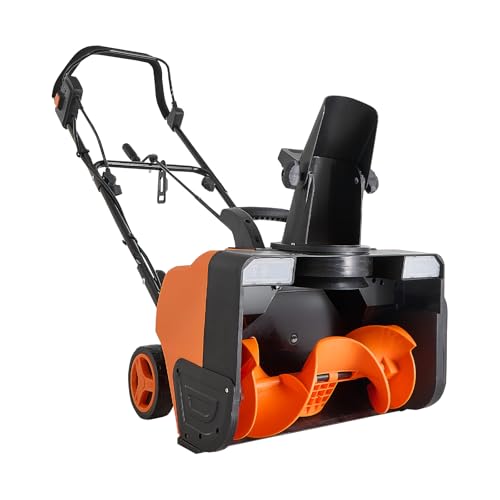
The VEVOR model is a 20-inch, 15-amp electric snow blower with dual LED headlights and a 180° rotating chute. It clears a 20-inch width and 12-inch depth per pass and can throw snow up to 25 feet. This configuration is designed for efficient, safe operation in driveways and walkways with visibility improvements from the LED lights. The electric design reduces the need for fuel and engine maintenance, appealing to users seeking practical, quieter snow removal solutions.
Buying Guide
Key purchase considerations help match a walk-behind blower to real-world needs:
- Cleaning environment: Gas-powered blowers offer power and mobility for large, uneven spaces; electric models excel in residential driveways, sidewalks, and days with lighter snowfall.
- Snow type and typical depths: Heavier, wetter snow benefits from higher-powered models with larger intake heights; lighter, dry snow is manageable with smaller electric units.
- Clearing width and depth: A wider path speeds work on larger areas but may require more storage space or power. Depth capacity matters for layers of snow.
- Discharge control: A 180-degree adjustable chute allows precise targeting of cleared snow, reducing the need to reposition the unit frequently.
- Lighting and visibility: LED headlights improve safety for early morning or late-evening use in dim conditions.
- Noise and maintenance: Gas models are louder and require fuel, oil, and routine maintenance; electric blowers are quieter with simpler upkeep.
- Terrain compatibility: Large rear wheels aid stability on lawns and loose terrain, while rigid wheels and chassis enhance maneuverability on paved surfaces.
- Weight and storage: Consider weight for manual handling and storage space in garages or sheds.
When comparing among the five highlighted options, consider your property size, typical snowfall, and preferred power source. Gas-powered units provide maximum power for larger properties and heavy debris, but electric models deliver lower running costs and easier maintenance for smaller homes with moderate snowfall. Features like wide clearing paths, deep intake depths, and adjustable chutes increase flexibility and efficiency, particularly in variable weather and landscaping layouts.