
Preparing your lawn for colder months and a greener spring requires a careful mix of nutrient timing, formula types, and coverage. The following fertilizers are popular choices for fall and early winter applications, designed to strengthen roots, suppress late-season weeds, and set the stage for vibrant growth when warm weather returns. Below, find five well-regarded options with key features to help you compare and choose the right fit for your lawn from American retailers.
| Product | Brand | Coverage / Size | Key Benefit |
|---|---|---|---|
| Scotts Turf Builder WinterGuard Fall Weed & Feed5 | Scotts | 12,000 sq. ft., 33.84 lbs | Weed control plus fall fertilizer for a stronger spring lawn |
| Scotts Turf Builder WinterGuard Fall Weed & Feed3 | Scotts | 4,000 sq. ft., 11.43 lbs | Weed control and fertilizer in one for fall recovery |
| GreenView Fairway Formula Fall Lawn Fertilizer | Greenview | 45 lb. bag covers 15,000 sq. ft. | Deep root growth and winter prep for a better spring |
| Scotts Turf Builder WinterGuard Fall Weed & Feed5 (4,000 sq. ft.) | Scotts | 4,000 sq. ft., 11.28 lbs | Same WinterGuard weed & feed with strong fall performance |
| Espoma Organic Fall Winterizer 8-0-5 | Espoma | 30 lb. bag covers up to 5,000 sq. ft. | Organic formula with natural ingredients and potassium boost |
Scotts Turf Builder WinterGuard Fall Weed & Feed5

Scotts Turf Builder WinterGuard Fall Weed & Feed5 combines weed control with fall lawn fertilizer. It targets over 50 listed lawn weeds, including clover, dandelion, and purslane, while feeding actively growing grass in temperatures between 60°F and 90°F. This product is designed to strengthen roots before winter, supporting a healthier lawn in spring. For best results, apply to a moist lawn when weeds are actively growing and the weather remains cool but not freezing. Its dual-action formula reduces weed pressure while nurturing the turf to recover from the season’s stresses.
Scotts Turf Builder WinterGuard Fall Weed & Feed3

Scotts Turf Builder WinterGuard Fall Weed & Feed3 provides a compact option for smaller lawns. It combines weed control with fall fertilizer to help the lawn recover from summer and prepare for spring. Like the larger version, it targets many common fall weeds and is formulated for use as weeds are actively growing within the typical fall temperature window. Homeowners with limited outdoor space can benefit from targeted coverage that still supports robust root growth and a greener spring appearance.
GreenView Fairway Formula Fall Lawn Fertilizer
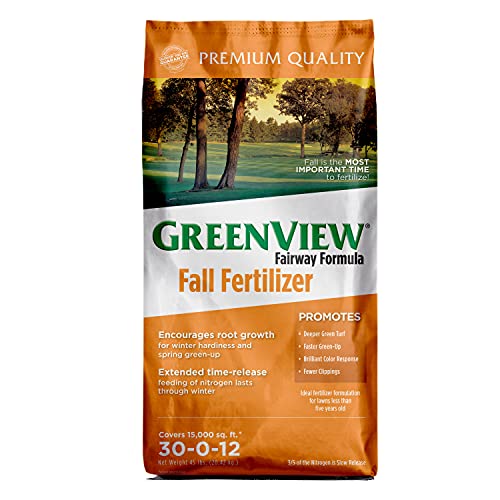
GreenView Fairway Formula Fall Lawn Fertilizer emphasizes deep root growth and winter readiness. This premium blend helps repair summer damage, promotes a stronger winter hardiness, and supports a rapid green-up in spring. The formulation is designed to provide consistent, rich color while preparing the lawn for colder months. It can be used across a variety of turf types, and its slow-release nutrients help minimize the risk of nutrient leaching in autumn rains.
Scotts Turf Builder WinterGuard Fall Weed & Feed5

This option mirrors the WinterGuard Fall Weed & Feed5 concept for smaller coverage areas. It delivers weed suppression for a broad spectrum of fall weeds while feeding the grass to build a healthier lawn before winter. It is recommended for use under similar temperature conditions as other WinterGuard formulas, ensuring weed activity is detectable and temperatures are suitable for fertilizer absorption. It is particularly suitable for homeowners managing multiple beds or limited outdoor space.
Espoma Organic Fall Winterizer 8-0-5
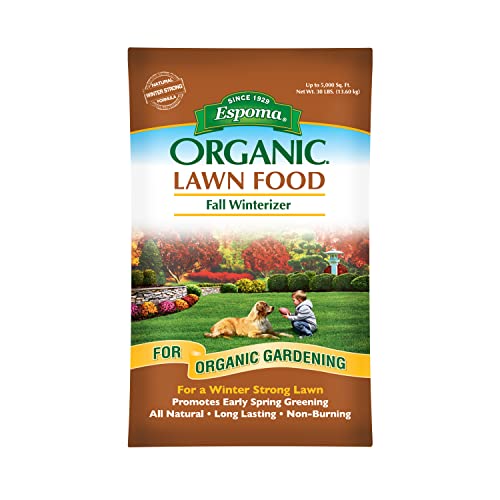
Espoma Organic Fall Winterizer offers an organic approach, featuring an 8-0-5 NPK mix with extra potassium for winter hardiness. It is designed to be safe for environmentally conscious homeowners and safe for use on all lawn types, including fescue, bluegrass, ryegrass, St. Augustine, and zoysia. This formula supports green-up in spring without the risk of burn or toxic residues, making it a preferred choice for those prioritizing natural lawn care. For best results, apply in fall with a broadcast or drop spreader according to lawn size.
Buying Guide: Key Purchase Considerations And Comparisons
When selecting a winter lawn fertilizer, consider the following factors to align with your lawn’s needs and climate conditions:
- Weed presence: If your lawn battles persistent fall weeds, choose a product labeled as weed killer plus fertilizer (weed & feed). For weed-free lawns or organic preferences, consider a fall winterizer without herbicides.
- Size and coverage: Match product size to your lawn area. Larger lawns benefit from higher coverage per bag, but ensure you can apply evenly to avoid over- or under-fertilization.
- NPK balance: Fall formulas often emphasize balanced nitrogen for green-up with a lower immediate phosphorus and potassium mix. Organic options emphasize natural nutrients with slower release.
- Temperature and timing: Apply when weeds are actively growing and temperatures are within the recommended range (often 60–90°F). Fall applications should prepare turf for winter without encouraging new growth during cold snaps.
- Turf type compatibility: Some products perform best on cool-season grasses (fescue, bluegrass, rye). Check compatibility for warm-season grasses or mixed lawns if applicable.
- Environmental impact: Organic or natural formulas may be gentler on soils and waterways, though they can have different release rates. Consider local guidelines and soil health.
- Application method: Spreader settings (drop vs broadcast) influence uniformity. Follow label directions for coverage, spreading rate, and watering needs after application.
- Long-term lawn goals: If spring green-up and deep root strength are priorities, prioritize products that emphasize root growth and winter hardiness rather than short-term color.
Overall, the best choice depends on your lawn size, turf type, weed pressure, and environmental preferences. For weed-prone areas, a combined weed control and fertilizer option may save time. For eco-conscious homeowners, organic Fall Winterizers offer a natural path to a resilient spring lawn. Regardless of choice, proper timing, even application, and adherence to label directions are essential for achieving a healthier lawn come spring.