
Choosing the right wood for a raised garden bed combines durability, safety, and ease of maintenance. The options below focus on solid, field-tested woods and designs that resist rot, help with drainage, and simplify assembly. This guide highlights five well-regarded wooden beds and explains how each choice fits common American backyard setups—from urban patios to expansive yards. We’ll cover material quality, construction features, and practical trade-offs to help you pick a bed that lasts for seasons while keeping soil and roots healthy.
| Product | Size / Shape | Key Benefit |
|---|---|---|
| Best Choice Products 8x2ft | 8 ft x 2 ft | Simple, long bed with liner for soil protection |
| Best Choice Products Raised Garden Bed 48x24x32 | 48 x 24 x 32 in | Elevated height for reduced bending, mobile |
| Best Choice Products 72x24x30in | 72 x 24 x 30 in | Large planting area with sturdy legs |
| SPECRAFT 8×4 Ft Wood Bed | 8 x 4 ft | Open-base design for drainage |
| Backyard Expressions 48×24 | 48 x 24 in | Ergonomic height with bed liner |
When selecting wood for raised beds, consider the wood species, how it’s treated, and how the bed manages moisture. Natural, untreated woods can be affordable but require more maintenance. Treated or naturally rot-resistant woods, such as cedar or fir, offer longer lifespans with fewer warps. Look for built-in features like liners that separate soil from wood, drainage holes, and open-base designs that promote air circulation to roots. For urban spaces, weight, portability, and height also influence how easily you can move or reconfigure a bed. The sections below examine five practical picks to help you compare options side by side.
Best Choice 8x2ft Wooden Raised Bed

The 8×2 foot bed uses natural Chinese fir wood designed to withstand seasonal changes without rapid discoloration or breakdown. It ships with pre-sanded panels and dovetail joints that slide together for quick assembly, reinforced by screw-fastened posts for stability. A soil liner is included to separate wood from soil, preserving wood integrity and helping prevent soil contamination from wood resins. This setup suits vegetable plots and mixed plantings, providing ample space for leafy greens, herbs, or compact flowering beds. The open construction supports root growth and simplifies maintenance, while a tall, straightforward profile reduces bending for shorter gardeners.
Material choice matters for longevity; fir is relatively durable and more affordable than some hardwoods. The design prioritizes durability through a well-joined frame and a built-in liner that minimizes contact between soil and wood. Potential drawbacks include natural aging of wood outdoors and the need to re-stain or seal over time to preserve appearance. For households seeking a budget-friendly option with solid performance, this model offers a balanced option suitable for first-time raised-bed gardeners as well as seasoned hobbyists.
Best Choice Raised Bed With Wheels
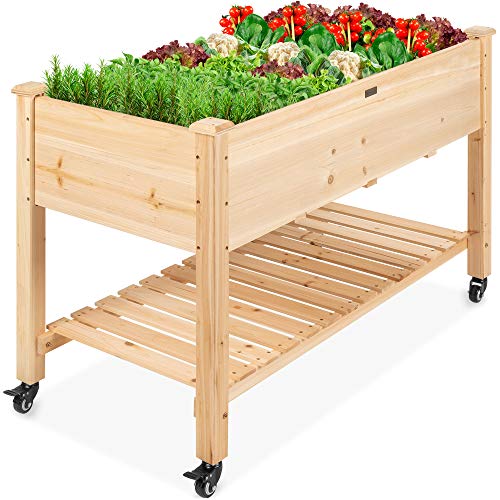
This 48x24x32-inch bed elevates the gardening experience with lockable wheels, enabling relocation to optimize sun exposure and shade throughout the growing season. The frame sits at a comfortable 32 inches, reducing the need to bend or hunch during planting and maintenance. A protective liner keeps wood dry and free from soil moisture variations that can accelerate wear. The integrated wheels make seasonal repositioning feasible for small patios or balcony gardens, letting you chase ideal microclimates for tomatoes, peppers, lettuce, and herbs. The combination of mobility, height, and a robust liner makes it a flexible option for adaptable urban plots.
Consider the trade-offs: moving a larger bed requires a stable surface and some ambient space for turning. Weight distribution and wheel construction influence ease of movement on different ground types. If you frequently relocate or reconfigure planting zones, this design can save time and effort, complementing compact urban layouts where space utilization matters as much as soil volume.
Best Choice 72x24x30in Elevated Bed
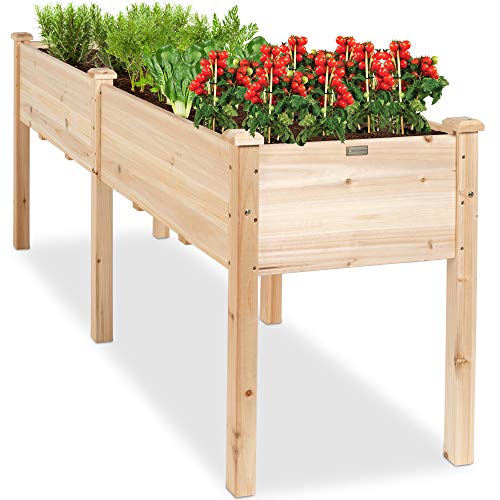
This elevated bed features a broad planting area of 72 by 24 inches and six legs that provide a sturdy stand for years of use. With a depths of 30 inches and 8.4 cubic feet of planting space, it accommodates a wide range of vegetables, flowers, and herbs. Five-lifth drainage holes support aeration, helping roots access oxygen while minimizing rot. The entire structure uses all-wood construction with Chinese fir, combining durability with a natural aesthetic suitable for backyards, patios, or decks. The included divider panel helps organize different plant types, making it easy to manage crop rotation within a single bed.
Pros include a strong load-bearing profile and adequate depth for root crops like carrots and beans. The design’s water management minimizes soil saturation, which benefits long-season crops. On the flip side, a larger footprint demands more space and can require more careful placement to ensure even sun exposure. Regular maintenance—checking for warping, tightening joints, and applying a top coat if desired—will extend life in outdoor environments.
SPECRAFT 8×4 Ft Wood Raised Bed

The SPECRAFT model measures 8 by 4 feet with a 1.5-foot depth, offering an expansive 44 cubic feet of planting space. It features an open-base design to promote drainage and robust root development, reducing standing water and soil mineral buildup. A mortise-and-tenon structure with a central divider keeps plants organized, and the design promises quick tool-free assembly—often ready in about 15 minutes. This bed suits ambitious vegetable plots, herb arrays, or flowering borders. The open base supports aeration around the root zone, and the open frame adds a lightweight feel to a large footprint, which can be appealing for visible garden spaces.
While an open base improves drainage, it may require a bottom liner in regions with higher moisture or for gardeners who want an added barrier against soil intrusion. The wood choice should be examined for weather resistance, and periodic protection with sealants can extend life in rainy climates. The broad size makes it ideal for high-yield crops but demands a larger clear area for installation and maintenance access.
Backyard Expressions Elevated Bed
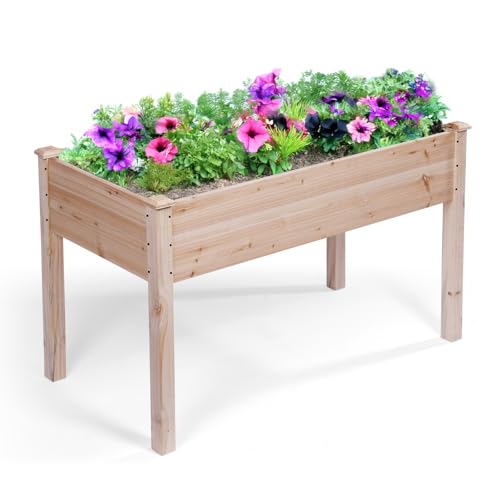
This 48×24-inch bed emphasizes ergonomic height at 30 inches, reducing strain from bending during planting and weeding. It’s crafted from natural wood and includes a protective bed liner to extend wood longevity and help prevent weed infiltration. The liner supports plant health by providing a stable barrier between soil moisture and the wood, reducing swelling and warping. This design balances accessibility with sturdy construction, making it a practical choice for gardeners seeking a manageable, mid-range bed that’s easy to assemble and maintain on a patio or backyard space.
Considerations for this bed include its need for periodic inspection of joints and a potential touch-up seal to maintain wood color in climates with strong sun exposure. If you prioritize a comfortable working height and a straightforward setup, this model offers a reliable blend of usability and durability. For growers focused on low-maintenance options, pairing the liner with a weather-resistant finish can extend the bed’s life and keep wood in good condition over several seasons.
ZSYWODFO 4x2ft Open-Base Bed

The 4×2-foot bed provides a compact option with a focus on practicality and durability. It includes a liner to separate wood from the soil, helping preserve wood longevity and reduce soil-wood interactions that can accelerate wear. A middle divider supports garden organization—useful for growing multiple plant types in a small footprint. This bed is well-suited for beginners or gardeners with limited space who still want a productive planting area for lettuce, herbs, and compact vegetables. The natural wood finish blends into most outdoor spaces, offering a classic garden look.
Key considerations include ensuring adequate anchorage if placed on uneven ground and sealing or staining to boost long-term resistance to weathering. For smaller yards, this model provides an accessible starting point for experimenting with crops or herb gardens without dedicating a large area to a single bed.
Buying Guide: Wood, Design, And Garden Needs
- Wood species and treatment: Look for rot-resistant wood such as cedar or Chinese fir, and consider whether a liner is included to separate soil from wood.
- Bed height and accessibility: Higher beds reduce bending; mobile or elevated options offer flexibility for sun exposure and soil management.
- Drainage and base design: Open-base or well-ventilated bases improve root health; liners help manage soil moisture and weed intrusion.
- Assembly and durability: Dovetail or mortise-and-tenon joints typically enhance rigidity; check for pre-sanded panels and hardware quality for tool-free setup where possible.
- Size and layout: Larger beds offer more planting space but require more space and heavier lifting; smaller beds suit urban balconies or narrow patios.
- Maintenance and longevity: Regular sealing or staining can extend life, especially in regions with strong sun or heavy rainfall; consider repainting as part of a seasonal routine.
- Environmental considerations: Favor sustainably sourced wood and avoid treatments that release harmful chemicals into soil; linings can help contain resins and improve soil compatibility.
- Plant type compatibility: Deep beds support root crops; open-base designs suit quick-draing vegetables and herbs; dividers help organize crops and rotation plans.
In evaluating options, balance cost with lifespan, ease of assembly, and how well a bed fits your space and gardening goals. For homeowners prioritizing low maintenance and long-term durability, selecting rot-resistant wood with protective liners and a robust frame is advisable. Those prioritizing mobility or ergonomic access may prefer elevated or wheeled beds, even if they require more initial assembly. Finally, consider climate, sun exposure, and proximity to water sources to optimize bed placement and irrigation planning. A well-chosen wooden bed can support healthy roots, productive harvests, and years of garden enjoyment.