
Choosing the right wood can elevate backyard barbecue from good to memorable. Whether you’re using a pellet grill, a charcoal smoker, or a traditional smoker, the type and blend of wood influence smoke intensity, aroma, and the final flavor of meats, poultry, and vegetables. Below we highlight four standout options that consistently deliver balanced smoke, clean burns, and reliable performance across American grills.
| Product | Brand | Key Features |
|---|---|---|
| CookinPellets Perfect Mix Natural Hardwood | CookinPellets | Tri-blend of hickory, cherry, maple, and apple; natural hardwood; rich, balanced smokiness |
| Hickory BBQ Cooking Chunks | Western | Sweet and strong hickory flavor; use with or without charcoal; 100% natural |
| Apple All Natural Wood Pellets | Bear Mountain Premium BBQ Woods | Applewood flavor; all-natural; consistent smoke and burn |
| Competition Blend BBQ Pellets | Camp Chef | Maple, hickory, cherry blend; pure hardwood; no oils or binders; low moisture |
Note: The products listed here are chosen for versatility, flavor profile, and burn consistency across common American grilling setups. Availability and exact specs may vary by retailer.
CookinPellets Perfect Mix Natural Hardwood Pellets
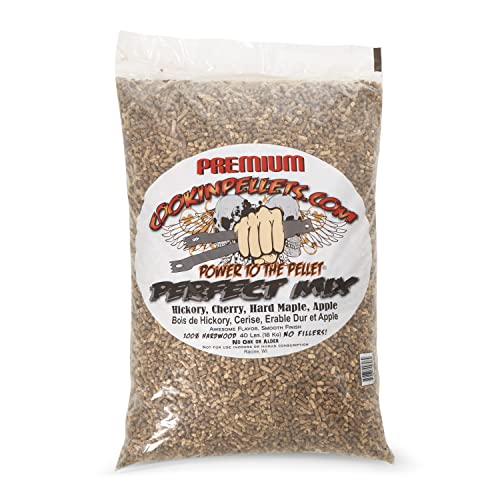
Product overview: These premium hardwood pellets blend four popular hardwoods—hickory, cherry, hard maple, and applewood—to deliver a versatile and approachable smoke that enhances a wide range of dishes. The natural hardwood composition emphasizes true wood taste without added fillers. The mix aims to balance bold, savory notes with sweeter fruitwood hints for poultry, pork, beef, and vegetables. Expect a steady burn and a consistent, clean smoke profile that helps keep meat juicy while developing a robust crust.
Hickory BBQ Cooking Chunks

Product overview: These 100% natural Hickory wood chunks offer a classic, robust smoke ideal for pork, beef, and chicken. They can be used with charcoal or in conjunction with grills and smokers that benefit from solid chunks rather than pellets. The chunk format tends to produce longer smoke sessions with a strong, traditional barbecue aroma. This option is well-suited for those who prefer a pronounced wood flavor with the flexibility to control burn rates through pile size and airflow.
Bear Mountain Apple Wood Pellets

Product overview: Apple wood pellets deliver a distinctive smoky-sweet profile that pairs well with poultry, pork, seafood, and vegetables. Made from 100 percent pressed hardwood with no additives, these pellets aim for consistent burns and cleaner grilling results. The lower moisture content supports steady temperature maintenance and a reliable smoke ring, helping cooks achieve both tenderness and aroma without overpowering the meat’s natural flavors.
Camp Chef Competition Blend Pellets
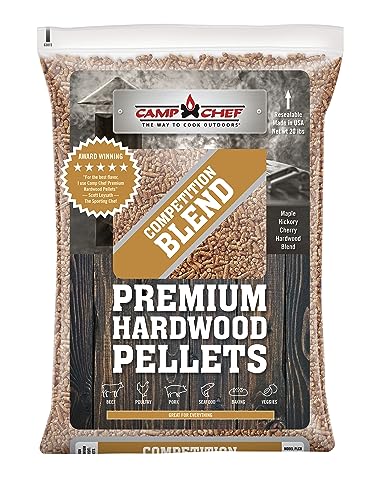
Product overview: The competition blend combines maple, hickory, and cherry for broad compatibility with poultry, pork, beef, vegetables, and seafood. Camp Chef highlights that the pellets are 100% virgin hardwood, with no oils, chemicals, or binders. The kiln-dried process yields low moisture content for efficient burning, contributing to predictable temperatures and less ash. This blend is designed for versatility, especially when cooks experiment with different meats during grill sessions or family barbecues.
Buying Guide: Key Purchase Considerations
- Flavor profile and versatility: Consider whether you want a single-flavor wood (e.g., apple, hickory) or a multi-flavor blend that covers a wide range of meats. Blends can reduce the need for swapping woods mid-cook.
- Burn quality and moisture: Low moisture content generally leads to a steadier, hotter burn and more consistent smoke. Look for products that emphasize dryness in their processing.
- Format and equipment compatibility: Pellets work best in pellet grills and smokers; chunks or splits suit traditional charcoal grills and offset smokers. Ensure the product fits your device’s hopper or chamber size.
- All-natural composition: Products labeled as all-natural with no added fillers, oils, or binders tend to burn cleaner and produce less ash. This can simplify cleanup and maintain flavor integrity.
- Flavor intensity and meat pairing: Strong flavors like hickory or mesquite pair well with beef and pork but can overwhelm delicate poultry or fish. Softer fruitwoods (apple, cherry) complement poultry and seafood nicely.
- Cost and burn yield: Compare bag weight and pellet density to estimate burn time per cook. Higher-quality pellets may cost more upfront but can reduce waste and improve consistency over long cooks.
- Brand reputation and availability: Aside from flavor, consider customer reviews and retailer access in the United States to ensure dependable sourcing and support.
These considerations help balance flavor, ease of use, and cleaning requirements, enabling a more predictable barbecue experience across different cook setups and group sizes.