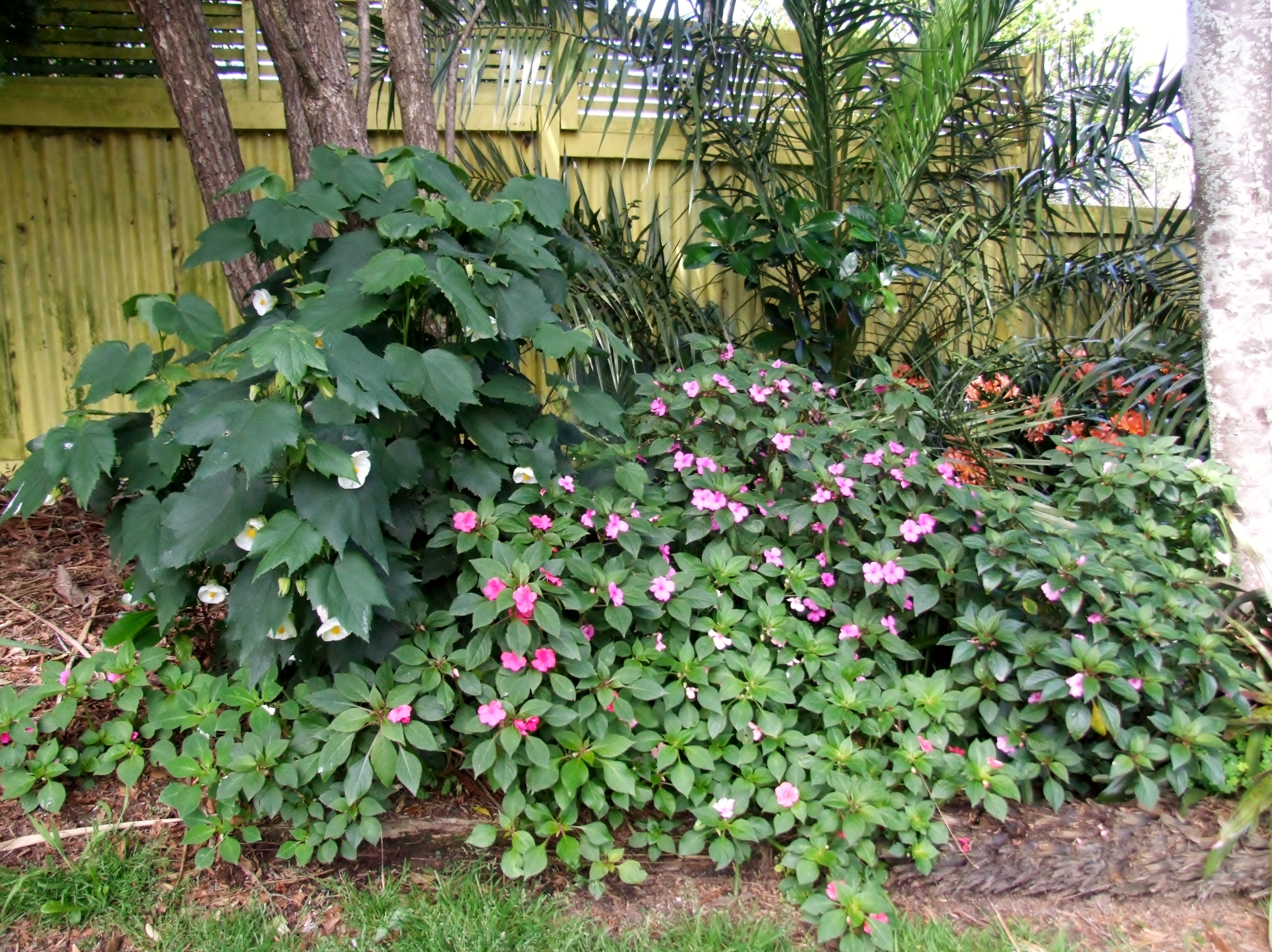
Choose around your watering job
If you want one small garden bed watered on a repeatable schedule, a basic hose timer can save you from remembering every shutoff. The better choice depends on the schedule and plumbing you actually have.
This comparison covers the Rain Bird 1ZEHTMR and Orbit 62061Z single-outlet timers. It uses manufacturer documentation and identified Amazon listings, rather than hands-on testing, reliability scores, or an invented season in our garden.
Begin with three questions: what schedule do you need, what pressure reaches the timer, and what will connect below it? Answer those before you compare screen size or choose the button that looks easiest.
Check the exact model before comparing
Rain Bird sells similarly named hose timers, including premium versions, so keep the model number visible while shopping. The 1ZEHTMR discussed here is the plastic-inlet-and-outlet model, rather than the brass premium model.
The Amazon listing identified for it is ASIN B006JZ514U. For Orbit, the identified listing is ASIN B004INGS8S, whose manufacturer part number is 62061Z; check the selected option before checking out.
A listing can contain multiple styles or package quantities. If the option changes, compare its model number with the manual again rather than assuming the same-looking photograph means the same equipment.
Keep a note of the specific model beside your existing hose parts. That small step makes it much easier to ask a useful compatibility question or order the correct replacement later.
Rain Bird favors a weekly calendar
The 1ZEHTMR manufacturer page describes custom days of the week and two start times per zone. It is worth considering when you want selected weekdays rather than a repeating gap between watering events.
You might, for example, need to align the schedule with particular locally permitted watering days. Work through that actual calendar in the manual before purchase, because your garden and local requirements decide what is appropriate.
The published maximum duration is six hours per cycle. That upper limit is a specification, not a suggestion that your bed should receive a six-hour run.
Rain Bird also documents manual watering and a rain-delay feature. Think about how you will pause the schedule when the bed is already wet, rather than treating the original program as a permanent setting.

Orbit favors a repeating interval
The 62061Z manual offers intervals of six hours, twelve hours, or one through seven days, with watering duration from one to 240 minutes. Its schedule is built around how often to repeat, rather than a checklist of named weekdays.
That can suit a simple repeating routine if the interval matches your plants and local restrictions. Write out a sample week to check the result instead of assuming every-other-day watering lands on the same weekdays forever.
Orbit documents a rain delay of 24, 48, or 72 hours and a manual watering function. Its instructions also explain how turning the dial off can affect the next scheduled start.
Before leaving it unattended, practice the pause-and-resume sequence with the manual in hand. A control that feels clear during setup should still make sense after you interrupt it for rain or hand watering.


Read pressure and flow as compatibility checks
Rain Bird publishes a pressure range of 15–90 psi and a flow range of 5–12 gallons per minute for this model. Orbit’s manual lists a working pressure range of 25–100 psi.
Those numbers should guide your compatibility check, not a contest to find the largest range. A system outside a timer’s documented requirements needs a different solution or further manufacturer guidance.
For a very small drip bed, add the emitter flow requirements and discuss a mismatch with the timer maker. Do not assume a model’s suitability for all low-flow arrangements from the word drip in a product description.
A rain barrel, weak supply, or unusual plumbing setup deserves its own check. Neither the pressure ranges nor an attractive price establishes that your particular arrangement will operate correctly.
Build the whole faucet connection
A timer opens and closes water; it does not replace every other component your irrigation setup may need. Plan the applicable backflow protection, filtration, and pressure regulation using local requirements and the instructions for your exact equipment.
Lay the proposed parts beside the faucet before connecting them. Check the thread type, available clearance, and whether you can still reach the valve and battery tray after everything is assembled.
The illustration here shows functional components for planning, rather than a certified installation order. The correct arrangement depends on the devices and local plumbing requirements you actually use.
Keep long hoses supported so a connection is not carrying an awkward sideways pull. If the faucet or fittings move, leak, or look damaged, address that before adding automatic operation.
Try a short supervised run
Program a short manual run while you can stay beside the system. Watch the faucet connection, timer outlet, filter, and downstream tubing rather than checking only the display.
Confirm that water reaches the far end of the bed and that the valve shuts off when expected. A screen counting down does not by itself prove that water is being delivered or stopped.
Write down the start setting and show another household member how to turn off the supply. That makes an ordinary adjustment easier if you are away when the weather changes.
Use the early runs to learn about your actual bed. If one plant remains dry while another is soaked, investigate placement and distribution before increasing the duration for everything.
Keep weather decisions in your routine
These are basic scheduled timers, and a manual rain-delay function still needs your judgment. EPA distinguishes clock-based controllers from systems that adjust using weather or soil-moisture information.
Check the bed and the forecast before a scheduled run when conditions change. If your main goal is automatic weather adjustment, research a suitable weather-aware system instead of expecting these two models to provide it.
Likewise, a new plant, a changed emitter, or a newly shaded bed can change your watering decision. Revisit the schedule after a meaningful change rather than waiting for a dry patch to explain it.
An ordinary calendar reminder can help: inspect the connections, review the soil conditions, and look at the next watering event. Automation works best when you keep that small maintenance habit.
Plan for batteries and winter
Both models use two AA batteries, and both manufacturers warn against freezing. Put seasonal removal on your calendar before the first likely freeze, using local conditions rather than a date copied from another region.
Keep the manual where you can find it when the screen behaves unexpectedly. Check batteries, filter condition, water supply, and programming before deciding the timer itself has failed.
If you share the garden, leave a short written note describing the active schedule and where the manual lives. A simple explanation is more useful than asking someone else to interpret your settings in a hurry.
A timer should make a familiar task easier to manage. It should not turn your faucet into a system that only one person in the household knows how to stop.
Make your choice conditional
Choose the Rain Bird if its named-weekday approach fits the job and your supply meets its published requirements. Consider the Orbit if its repeating intervals fit your routine and you are comfortable with the documented controls.
Choose neither until an unresolved pressure, low-flow, thread, or backflow question is answered. That pause can prevent a cheap timer from becoming an expensive workaround.
Compare the current listing, included items, return terms, and total setup cost before buying. This guide does not publish a fixed price or promise that either model will outperform the other in your yard.
The useful winner is the timer whose manual matches the job you need it to do. Once that is settled, install it carefully, observe the first runs, and keep the schedule connected to what your plants actually need.
| Decision | Rain Bird 1ZEHTMR | Orbit 62061Z |
|---|---|---|
| Schedule style | Custom weekdays; 2 starts | 6/12 hours or every 1–7 days |
| Maximum duration | 6 hours per cycle | 240 minutes |
| Pressure | 15–90 psi | 25–100 psi |
| Power | 2 AA batteries | 2 AA batteries |
| Key check | Published flow 5–12 GPM: verify small drip compatibility | Confirm interval and next-start behavior |
Sources & further reading
Documentation checked October 15, 2026. Practical examples and illustrations are original; no hands-on product testing is claimed.
- 1ZEHTMR product specifications — Rain BirdExact model; weekly schedule, two starts, pressure/flow, plastic connections, batteries, freeze warning.
- 62061Z single-outlet manual — OrbitIntervals, duration, rain delay, pressure, batteries and freezing instructions.
- Rain Bird 1ZEHTMR listing — AmazonASIN exact-model and single-timer variant identity; not price or performance evidence.
- Orbit 62061Z listing — AmazonASIN and manufacturer part number; not price or performance evidence.
- Watering Tips — EPA WaterSenseLocal advice, runoff, cycle/soak and clock versus weather/moisture controllers.

.jpg)