
Finding the right compact cooler means balancing ice retention, storage layout, and portability. This guide highlights five small coolers ideal for brief trips, commutes, and day-long outings. The top picks include zipperless hardbody designs for fast access, soft coolers for light travel, and a rugged insulated lunch bag for tough environments. Best for travelers, outdoor workers, students, and families who want reliable cold storage without bulk.
| Product | Best For | Key Feature |
|---|---|---|
| Titan by Arctic Zone Deep Freeze Zipperless Hardbody Cooler (Two Variants) | Travelers, tailgaters | Zipperless lid with SmartShelf |
| Carhartt Camping Cooler | Rugged outdoor use | Durable, worksite-ready design |
| EVERFUN Small Cooler Bag | Light travel, day trips | Dual insulated compartments |
| Hydro Flask Cooler Bag | Compact everyday carry | 12 L capacity, recycled materials |
Titan Deep Freeze Zipperless Hardbody Cooler

The Titan Deep Freeze Zipperless Hardbody Cooler uses a flip-open lid for quick access, making it easier to grab drinks or snacks without wrestling with a zipper. It keeps ice for up to two days and holds up to 16 cans in the larger model, making it a strong pick for longer trips or event days. The Deep Freeze insulation includes a radiant heat barrier to help maintain cold temperatures during travel. A removable HardBody liner with a SmartShelf separates rigid items from softer foods, reducing crush risk. Best for: travelers and tailgaters who want fast access and organized cooling. Limitations: larger models are heavier and bulkier than soft-sided options when fully loaded.
Titan Deep Freeze Zipperless Hardbody Cooler (Smaller Model)

This smaller Titan model shares the same zipperless design and Deep Freeze insulation, with a capacity suitable for about nine cans. It’s ideal for short trips, daily commutes, and lunches for work or school. The SmartShelf continues to provide organized storage for fragile items while keeping sandwiches from getting crushed. Best for: individuals who want reliable cooling in a compact footprint. Caution: smaller capacity means less ice retention under hot conditions or longer outings.
Carhartt Camping Cooler

Designed for tough environments, the Carhartt Insulated Lunch Box emphasizes rugged durability. It’s built to withstand outdoor work sites and rough handling, offering reliable insulation for meals and beverages during extended days outside. Best for: outdoor workers, construction sites, and anyone needing a resilient cooler bag that can endure rugged conditions. Limitation: not as compact as soft coolers; expect a larger carry footprint relative to some smaller models.
EVERFUN Small Cooler Bag
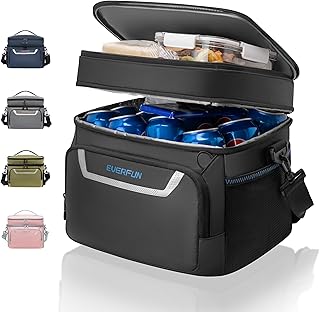
EVERFUN’s dual insulated compartments separate cold items from warm or wet items, with a leakproof PEVA liner and 8 mm foam insulation. The bag’s 12″ x 10″ x 9.5″ dimensions fit up to 18 cans with two ice packs in the bottom section while maintaining a dry top section for sandwiches or snacks. Front and side pockets offer quick storage for small essentials. Best for: day trips, picnics, and travelers who value organization and a lightweight build. Caution: may not fit larger bottles or bulky containers in the bottom compartment.
Hydro Flask Cooler Bag

The Hydro Flask Carry Out Soft Cooler offers a compact 12 L capacity with a large hinge-top opening for easy access. It can keep items cold for up to 24 hours with an ice pack and is built from recycled 600D polyester with bluesign approval, aligning with eco-conscious buying criteria. Best for: urban commuters, students, and short trips where weight and simplicity matter. Limitation: the capacity is modest; not ideal for larger families or long days away from refrigeration.
Buying Guide
What should I consider when choosing a small cooler?
Capacity, weight, and insulation type are primary considerations. Decide if you need hard-sided durability or soft-sided flexibility. Consider whether a zipperless or traditional lid impacts access in your routine. For surfaces or environments where space is tight, compact dimensions and a bag-style design may be preferable.
Which features matter most for travel?
Look for models with efficient insulation, a reliable lid design (zipperless can speed access), and organizational aids like removable dividers or shelves. A cooler with built-in pockets or compartments helps separate snacks from beverages, reducing spill risk during transit.
Is ice retention important for short trips?
For day trips or commutes, 12-24 hours of cold retention is generally sufficient, especially when using ice packs. Hardbody or rigid designs tend to maintain cold temperatures longer in warm conditions. Soft bags rely more on insulation and ice packs but offer lighter weight.
How important is durability and exterior material?
Rugged use on job sites or outdoor activities benefits from tough, water-resistant fabrics and reinforced seams. If the cooler will be carried in rough weather, consider models with reinforced handles and durable bottoms.
What about care and maintenance?
Choose coolers with removable liners or easy-to-clean interiors. Hardbody liners with removable shelves facilitate washing and preventing cross-contamination of foods. Leakproof interiors help contain spills and odors between uses.
Best practices for simple comparisons
Compare capacity versus weight, insulation type, and access speed. For quick picks, prioritize a zipperless lid for rapid access or dual compartments for separating different foods. Evaluate how each model fits your typical outing length and the number of people you feed.
FAQ
- What is the best small cooler for long travel days? A model with strong insulation and a larger capacity within a compact form, such as a hardbody or hybrid design, tends to perform well for longer outings.
- Are zipperless lids better than traditional zippers? Zipperless lids offer faster access and fewer snag points, but ensure the seal remains secure to maintain cold temps.
- Can soft cooler bags keep items cold without ice? Yes, when using good insulation and ice packs, soft bags can maintain cold temps for many hours, though capacity is typically smaller.
- Which cooler is best for rugged outdoor use? Look for durable materials, reinforced seams, and a protective exterior. Carhartt’s model emphasizes rugged construction suitable for harsh environments.
- Is recycled materials a good indicator of quality? Recycled fabric with bluesign approval can indicate eco-conscious manufacturing, but verify insulation performance and leak-proof claims separately.
- How do I choose the right size? Consider the number of people you usually serve and whether you’ll add ice packs. Match capacity to your typical meal and beverage needs.