Give yourself a year to learn the yard
An unfamiliar backyard can make every problem feel urgent, especially when you can see weeds, tired furniture, and an empty corner from the kitchen. Your first-year goal is to make the space usable while learning enough to avoid fixing the wrong thing twice.
Start with one practical promise: you will distinguish immediate repairs from design decisions that can wait. That lets you deal with an unsafe step promptly without treating an ordinary patch of shade as a problem that requires removing a tree.
This plan is an editorial organizing exercise, not a climate-specific planting calendar. Your weather, wildfire exposure, local rules, household needs, and existing plants determine when particular jobs make sense, so use the sequence flexibly rather than matching it to somebody else's month names.
Keep one notebook or shared phone folder for the entire year. A dated photograph and a short observation are more useful than a dozen disconnected shopping lists that never explain why you wanted the items.
Make the first walk a sorting exercise
Walk from the back door to every place you routinely need to reach, including the gate, trash storage, hose connection, and shed. Note broken surfaces, blocked access, exposed wiring, unstable structures, or other conditions that need qualified repair before you use the area.
Then make a separate list of inconveniences, such as nowhere to set down a watering can or a muddy route to the compost bin. These annoyances often have small temporary solutions, which buy you time to plan permanent improvements.
Finally, record dislikes that are mainly visual. You may still choose to replace the pink border or dated planter, but keeping that list separate helps you avoid spending your repair budget on appearance alone.
If you have children, pets, or visitors with mobility needs, walk the routes with their actual routines in mind. Do not assume that the path you use comfortably is equally workable for someone carrying a baby, using a walker, or managing a dog on a leash.
Establish what you already own
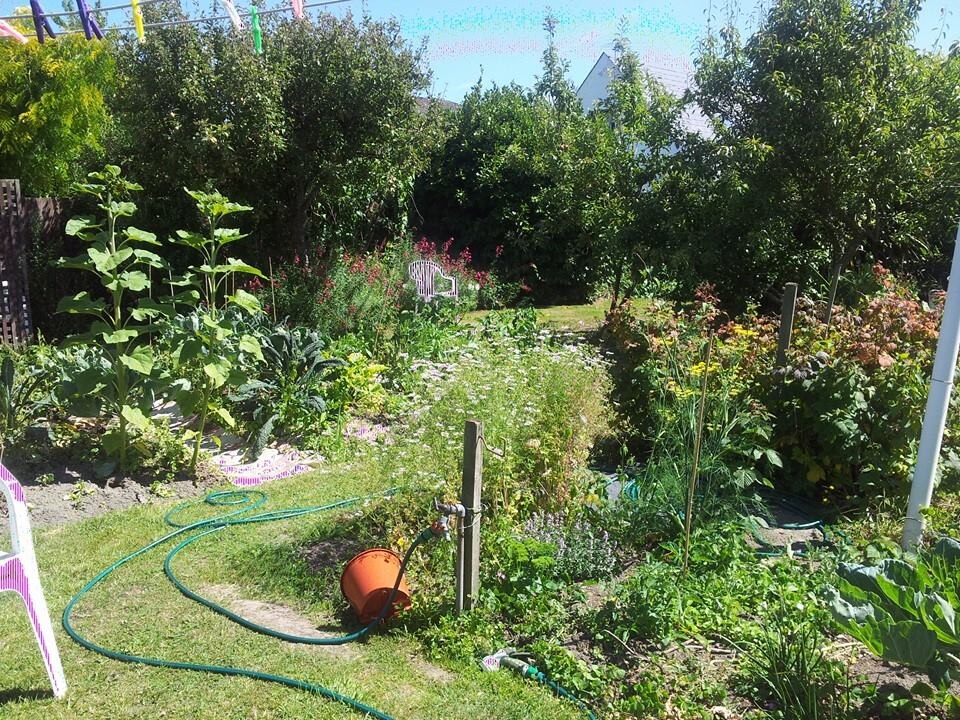
Make a rough site map and label the plants you can identify confidently. Photograph unknown plants through the season and ask your local Extension service or a knowledgeable nursery for help rather than pulling everything before it flowers.
Gather any available survey, irrigation instructions, equipment manuals, and previous maintenance records. If the former owner left a watering schedule, treat it as a clue to investigate rather than a setting that must suit the current weather and plants.
Find out which features need access by someone besides you. Utility equipment, septic systems, shared gates, and drainage easements can affect where you place beds and structures, even if the space currently looks unused.
Write down the condition of things you plan to keep. A photograph of a leaning fence or cracked paving today makes it easier to see whether it is stable, deteriorating, or merely more noticeable after you tidy the surrounding area.
Watch water before moving soil
During ordinary rain, observe from a safe place where roof water goes and which routes become wet. Return afterward to photograph puddles, bare soil, or sediment, and note when the standing water disappears.
Do not enter floodwater or use a storm as an excuse to climb a ladder. If water is entering the building, approaching electrical equipment, or causing obvious erosion, get appropriate help instead of waiting for the end of your observation year.
The University of Maryland's landscape guidance explains that runoff can carry soil, nutrients, and other pollutants into waterways. That is a useful reason to understand the existing route before replacing a planting bed with paving or redirecting a downspout.
Use your notes to ask a focused question: does the trouble begin at the roof outlet, a compacted path, or a low section of the yard? You are gathering evidence for the next decision, not diagnosing every wet patch from a single storm.
Buy a little comfort early
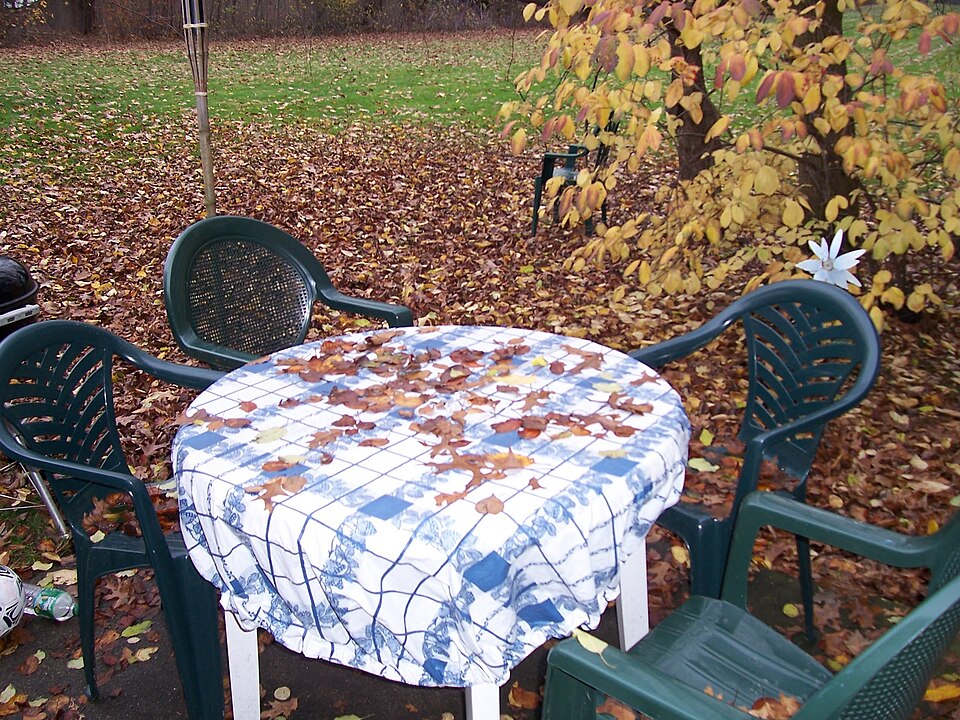
You do not have to spend a year standing in an unfinished yard. Set up a movable chair and a small table where the ground is sound, then try that location at the times you actually go outside.
Notice whether the morning spot becomes too hot after lunch or whether the quiet corner sits downwind of a busy driveway. Moving a chair gives you that answer more cheaply than moving a new patio.
Try a small container near the door if you want something to care for immediately. Keep the first planting modest enough that you can learn your watering routine without turning every weekend away into a rescue mission.
Set aside money for temporary fixes that make daily use easier, but label them temporary in your budget. You will make better long-term choices if you do not feel obliged to preserve an awkward arrangement just because you bought it in your first excited week.

Choose one experiment, not a yard full of projects
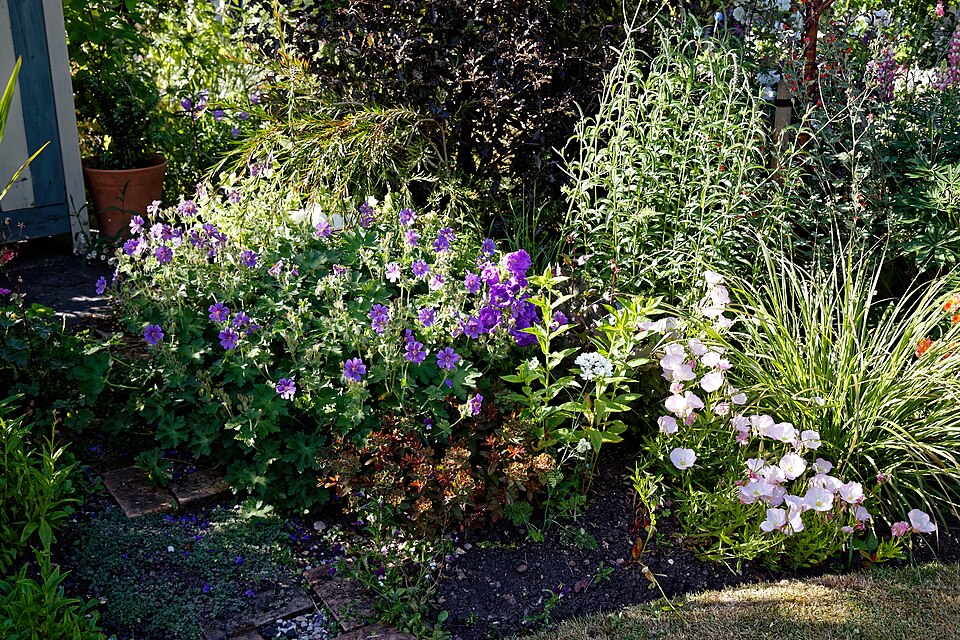
By the time you understand your main routes and sunny areas, select one contained improvement with a clear purpose. It might be a short bed beside the sitting area, a tidier hose station, or a manageable vegetable container group.
Define success before buying supplies. For a new bed, success could mean that you can weed it from the edge, reach it with the hose, and keep the selected plants alive through their establishment period.
The University of Minnesota's landscape guidance connects sustainable design with site conditions, function, maintenance, and suitable plants. Use those four filters to reject a project that looks attractive but requires more care or space than you can provide.
Leave room for an honest result. If you discover that the bed is too far from water, redesign its location or size before expanding it, instead of declaring the first attempt a failure and adding more plants somewhere else.
Build a budget around whole jobs
For each proposed improvement, write down more than the purchase price. Include removal, disposal, delivery, site preparation, tools, permits where required, and the ongoing care that begins after the visible installation is finished.
Compare projects by the problem they solve. A modest path repair that makes the shed usable every day may deserve priority over a large decorative bed you would mostly see from the driveway.
Keep a reserve for discoveries rather than assigning every dollar to visible upgrades. The appropriate amount depends on your circumstances, but an unspent category gives you room to respond when an old hose bib or hidden paving edge needs attention.
Ask for written descriptions when you seek professional estimates. Two prices are difficult to compare if one includes drainage assessment and disposal while the other covers only the attractive surface you pointed to during a quick visit.
Finish the year with a smaller, clearer next plan
Review photographs from different seasons side by side. Look for patterns such as a route that is always muddy, a chair you keep moving into the same shade, or a bed you avoided because its maintenance felt awkward.
Keep the improvements that worked and describe why they worked. Your explanation might be as plain as close to the faucet, easy to reach, or comfortable after dinner, which is exactly the kind of information a useful design needs.
Make next year's list shorter than your original wish list. Give each chosen project a purpose, a rough budget, an unresolved question, and a sensible point at which you will decide whether to proceed.
You have used the year well if your yard is easier to live with and your next decisions are less speculative. The reward for observing first is a plan based on your own daily life, rather than a collection of attractive ideas competing for the same small piece of ground.
Sources & further reading
Exact documentation checked October 15, 2026. Original examples and illustrations; no hands-on product testing or professional certification claimed.
- Home Landscape Best Management PracticesObserve runoff, avoid indiscriminate fertilizer/pesticide use, and match planting and maintenance to the site.
- Lawns and landscapes in MinnesotaSustainable design considers function, maintenance, light, soil, planting space, and appropriate plant choice.