Make watering part of the setup
An easier container garden begins before you plant anything. Choose a manageable number of containers, put them where you can reach them with water, and match the plants to both the available light and the care you can provide.
That does not guarantee a garden you can ignore during hot weather. It gives you a more workable routine, which matters more than buying a clever accessory after every pot has already become a daily emergency.
Start with a few plants you will actually use or enjoy rather than filling every empty corner. A compact group lets you compare how the mix feels, spot trouble, and learn which plants ask for water most often in your own conditions.
Write down when you are normally home and who can help when you travel. Your container choices should fit that routine, because a beautiful arrangement that depends on attention you cannot provide will stay difficult regardless of how attractive the pots are.
Size the container for the grown plant
Look up the mature size and container needs of the exact plant or crop you intend to grow. The small transplant at the garden center is a temporary stage, not a reliable guide to the root space it will need later.
The University of Maryland advises matching container size to both top growth and roots, including depth and total volume. That is more useful than buying several tiny matching pots and hoping frequent watering will compensate for restricted growth.
Compare the usable internal dimensions, not just the decorative outer rim. A deep-looking container may have a false bottom or a narrow base, while a broad pot may be shallower than the photograph suggests.
Consider weight before placing a large pot on a deck or balcony, and get appropriate structural advice where capacity is uncertain. Decide its final position before filling, since wet mix, the container, and the plant can make an apparently portable setup heavy.
Check the whole drainage path
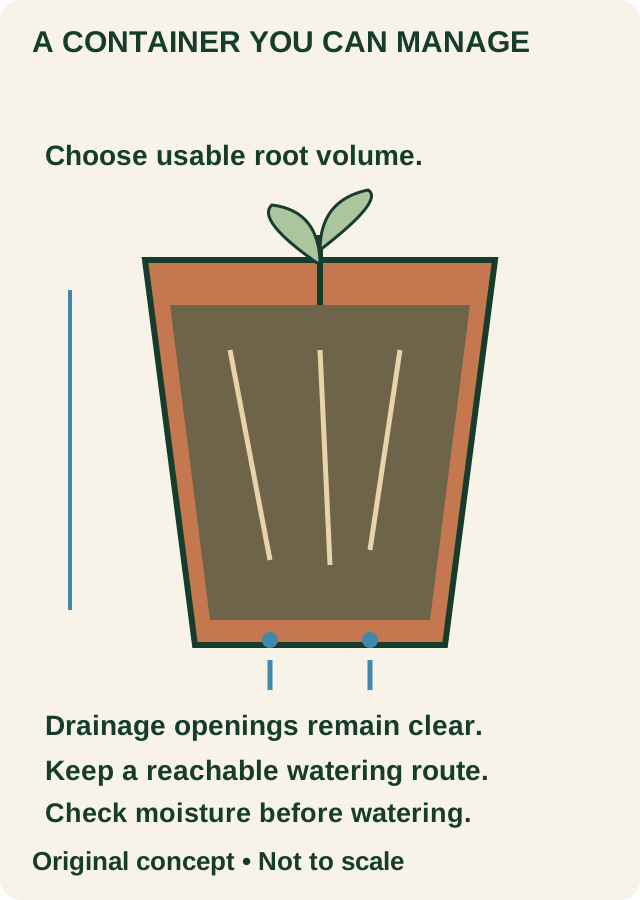
For a conventional container, confirm that water can leave through suitable openings and that those openings will remain clear. Inspect the pot you actually bought rather than assuming a molded recess on the base is an open drainage hole.
Set the pot where runoff will not create a slippery walking surface or nuisance for someone below. If you use a saucer, include emptying it in your routine rather than leaving the plant standing indefinitely in collected water.
Maryland's guidance warns that collected saucer water can encourage root problems or become mosquito habitat. A designed self-watering reservoir is a different system, so follow that container's instructions instead of treating every water-holding base the same way.
Do not rely on a decorative outer cachepot to solve drainage by itself. Check the inner pot and remove excess water as needed, because hiding the drainage outlet does not change what happens around the roots.
Choose a mix that wets predictably
Use a growing mix intended for containers and suitable for the plants you selected. Garden soil may be convenient to dig up, but it is not a dependable replacement for a prepared container medium with appropriate air and water space.
Read the bag for fertilizer, wetting instructions, and any intended use limitations. Pre-moisten or prepare it as directed so the first watering is not simply running around a dry mass while leaving part of the root zone untouched.
Leave the watering space recommended for the container rather than filling mix right to the brim. You need room to apply water without sweeping loose material onto the patio every time you tip the can.
Keep the product label until the garden is established. If you need advice later, knowing whether the mix contained added fertilizer or was formulated for a particular use is more helpful than describing it as the brown bag from the store.
Put similar needs within one easy route
Group containers that have compatible light and moisture requirements, while leaving space to reach every plant. A cluster that you can inspect from one standing position is easier to manage than pots scattered behind furniture across the yard.
Do not force a plant into poor light just to make the watering route shorter. If the useful sunny location is inconvenient, choose fewer pots or a different crop before building a permanent routine around carrying water across obstacles.
Oregon State's accessible-gardening guidance suggests keeping favorite containers close and making care easy to reach. Use that idea to arrange the garden around your body and routine instead of expecting yourself to bend, stretch, or climb around a decorative layout.
Keep hose routes out of walking areas when possible, and put equipment away when you finish. If a pot can only be watered by leaving a hose across a frequently used door, its location deserves another look.
Check moisture before choosing the next watering
Learn how the mix feels when it is moist and when it begins to dry in your actual container. Check below the surface as appropriate for the plant and medium, because a dry-looking crust does not always describe the entire root zone.
Water according to the plant, mix, weather, and observed moisture rather than the calendar alone. A routine helps you remember to check, but it should not force the same volume into every pot after both a cool rainy day and a hot windy one.
Apply water slowly enough to wet the mix rather than immediately spilling over the edge. Watch the drainage and, where practical, check whether the root area has moistened instead of assuming the first drip proves an even watering.
Keep a short note during your first week: morning moisture, weather, watering, and the next check. This is your own learning record, not a universal irrigation schedule, and it can reveal which pot consistently needs attention sooner than the rest.
Make travel arrangements before summer gets busy
Ask a helper to follow a simple container map with individual instructions based on what you have observed. Show them how you check the mix and where excess water should go, rather than leaving the vague instruction to water everything generously.
If you want a timer or drip setup, test it while you are home. Confirm that every container receives water, the tubing stays secure, and the resulting moisture suits the plants over several checks before relying on it during a trip.
A self-watering container can make some situations easier, but its reservoir, overflow, and refill process still need attention. Use the manufacturer's directions and the needs of the actual crop rather than assuming the reservoir makes overwatering or neglect impossible.
If the available help is limited, reduce the number of demanding containers before you leave. A smaller garden that fits your care arrangements is often more satisfying than an ambitious collection whose survival depends on perfect weather.
Adjust the setup that creates repeated trouble
If one pot repeatedly dries sooner than comparable neighbors, investigate its size, material, location, plant size, and mix before simply adding more daily watering sessions. A hot wall or unusually small root volume may be part of the story.
Maryland notes that porous container materials can dry faster than less porous alternatives and that dark containers can heat their root zones. These are factors to evaluate, not a guarantee that one material will always be right for every plant or climate.
Change one manageable feature and observe what happens so you can learn from it. Moving a pot slightly, changing an awkward watering route, or planning a better-sized container for the next planting gives you clearer information than changing everything at once.
Your easy-care garden is the one you can understand and maintain consistently. Start with suitable pots and plants, keep water and access practical, and let repeated observations guide the adjustments that make your own routine easier.
Sources & further reading
Exact documentation checked October 15, 2026. Original examples and illustrations; no hands-on product testing or professional certification claimed.
- Growing Vegetables in Containers and Salad TablesMatch usable container depth/volume to plants, account for filled weight, inspect drainage/saucers, and consider porous materials and root-zone heating.
- Gardens are for everyoneKeep favored containers and watering access within a practical reachable care route.