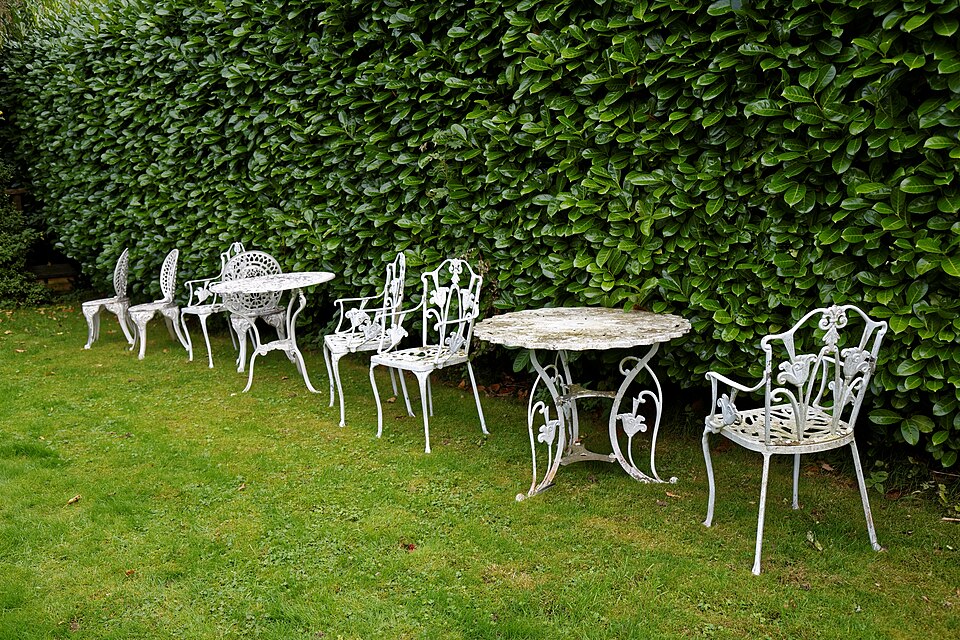
Start with the cushion, not the storage box
A storage box looks like an easy answer to a wet patio, but it cannot make a damp cushion dry by closing a lid. Begin with the condition and construction of the cushions you plan to put inside.
Read their care labels and identify which parts may be removed or cleaned. An outdoor fabric description does not establish that the filling, seams, zipper, and liner all handle moisture in the same way.
Separate cushions that are ready for storage from those needing cleaning or drying. Putting the whole pile away at once can hide the one damp piece that deserves more attention.
Choose a realistic routine for your weather and household. A short move under shelter each evening and a months-long seasonal storage plan involve different checks, even when you use the same cushions.
You are trying to manage moisture and access, not create a perfectly sealed capsule. The useful question is whether you can store clean, dry items in a suitable place and inspect them when conditions change.
Clean only by the appropriate instructions
Brush away loose debris and address dirt using the directions for your actual cushions. Avoid storing crumbs, leaves, or damp plant material between stacked surfaces where you may not notice them again for weeks.
If the cushions use Sunbrella upholstery, consult its current cleaning guidance alongside the furniture maker's directions. Fabric-specific advice can include air drying, but the complete cushion construction still matters.
Do not machine wash an entire cushion because its removable cover appears washable. Confirm what may be removed, how the insert should be handled, and whether taking the cover off changes how it must be refitted.
Use cleaning products only as directed and rinse where the instructions require it. Leftover cleaner and an unfinished drying process are poor foundations for long storage.
If you cannot identify a stain or a persistent odor, ask for material-specific guidance. Hiding an unresolved problem in a new storage container makes the problem less visible without resolving it.
Allow a real drying interval
Give wet components space and airflow in a location suited to their care instructions. Stand or position them safely so surfaces that were against a chair or another cushion are not left pressed together.
Check the underside, seams, corners, and any removable filling you are permitted to inspect. A top panel that feels dry can coexist with moisture in a less exposed part of the cushion.
Avoid giving every cushion a fixed drying deadline based on a sunny-looking afternoon. Thickness, filling, construction, weather, and the amount of water involved can all change what you observe.
If the forecast interrupts drying, move the cushions to an appropriate sheltered location with room around them. Do not rescue them from rain only to compress them into a closed pile while still damp.
Plan this interval before your storage day. Cleaning a large stack late in the afternoon can leave you choosing between unfinished drying and another night outside.
Inspect the storage place before filling it
Open the box, closet, shed area, or other intended space while it is empty. Look for water entry, damp surfaces, accumulated debris, damaged seals, and any manufacturer's maintenance requirements.
A container described as weather resistant still needs to be used as instructed. Read the exact product guidance rather than translating a marketing phrase into an unlimited promise of waterproof storage.
Check how the lid closes and how any designed ventilation works. Do not block openings or alter a seal in an attempt to improve performance without guidance from the maker.
Consider the ground and surroundings too. A box sitting in a recurring puddle or directly beneath uncontrolled runoff has a different exposure from the same box in a sheltered, well-drained position.
If the space is already damp, solve that issue before adding fabric. A clean cushion cannot make an unsuitable storage environment suitable simply by fitting through its opening.
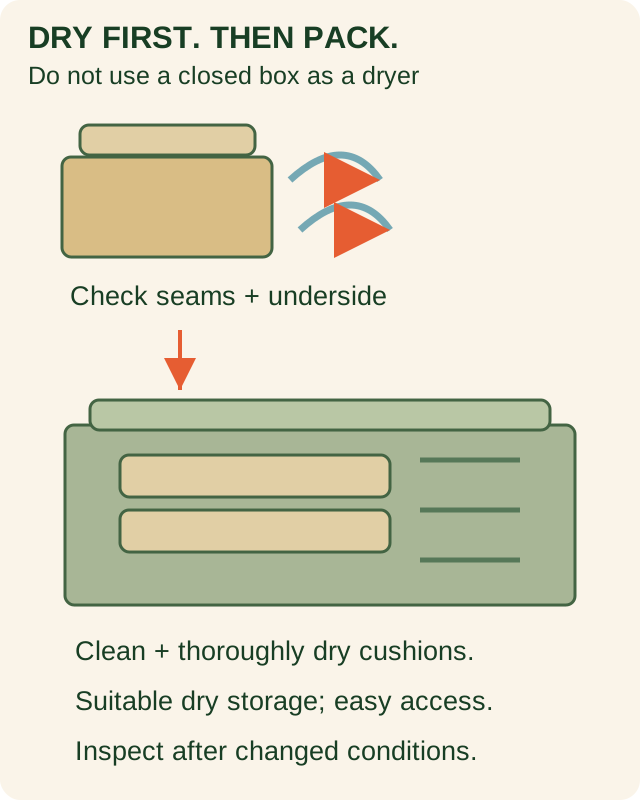
Measure the awkward dimensions
Measure each cushion's length, width, and thickness without forcing it into an unnatural shape. Include piping, straps, and a back cushion that may be taller than the seat cushions you measured first.
Then measure the usable interior and opening of the intended container. Outside dimensions and stated gallons do not tell you whether your particular rectangular stack will fit comfortably.
Draw a simple packing arrangement on paper. Two cushions side by side, one above another, or stored on edge use space differently, and the lid still needs to close normally.
Leave room to remove the items you use most often without dragging the whole stack across a rough edge. Easy access makes you more likely to return cushions only when they are ready.
Avoid making compression your main sizing strategy. A box that works only when you force the lid shut is telling you that the cushion arrangement and container do not match well.
Pack in a way you can inspect
Place only clean, thoroughly dry cushions in the prepared space. Keep unrelated wet tools, watering equipment, and damp covers out of the same compartment unless the product is specifically designed for that separation.
Arrange the cushions so you can see and reach the lower pieces during later checks. A neat stack that hides the bottom indefinitely is less useful than a slightly looser arrangement you can examine.
Follow the storage instructions for any bags or covers you use. An improvised airtight wrap can limit airflow and conceal moisture rather than providing the kind of protection the cushion maker intended.
Treasure Garden's care guidance emphasizes keeping its fabrics dry when storing and using a dry, ventilated storage area. Apply that advice to the relevant products, while checking the directions for other brands separately.
Do not pack cushions against a recently wet cover or container wall. Take the extra moment to inspect the surfaces they will touch before closing the storage space.
Recheck after weather and during long storage
Open the storage space after an exposure that could have changed its condition, such as wind-driven rain or accidental water from cleaning nearby. Look underneath the stack as well as at the top cushion.
If you discover moisture, remove the cushions and investigate its source before repacking. Drying only the visible surface and shutting the lid again can repeat the same problem.
For seasonal storage, choose a check routine that suits the location and product guidance. A sheltered indoor room and a weather-exposed outdoor box should not automatically receive the same assumptions.
Keep a note of any recurring problem, including the weather and where the moisture appeared. That record can help distinguish a leaking lid from damp items placed inside or another local cause.
If the container repeatedly fails your actual conditions, reconsider the location or storage method. Buying a larger box does not necessarily fix the reason the first one became wet.
Make putting cushions away convenient
Keep the storage route short enough for ordinary use. If every evening involves moving a grill, opening a stiff gate, and rearranging tools, the system is likely to break down when you are tired.
Give different cushion sets an obvious place if their sizes or care requirements vary. You can label a shelf or sketch the packing order without turning your patio into a warehouse.
Leave the cleaning and care instructions with your household records. Another person should be able to understand which cushions need extra drying and which storage area is intended for them.
At the end of the season, evaluate the whole routine rather than just the box. The best improvement may be a sheltered drying spot, fewer cushions, or a better-fitting stack.
Successful storage starts before the lid closes. When the fabric is clean and dry, the space suits its instructions, and inspection remains easy, you have a practical system you can keep using.
Sources & further reading
Exact documentation checked October 15, 2026. Original examples and illustrations; no hands-on product testing or professional certification claimed.
- How to Clean Sunbrella Upholstery Fabrics — SunbrellaAir dry Sunbrella upholstery, manufacturer construction instructions
- Customer Support — Treasure GardenClean/dry/ventilated storage principle specifically for documented solution-dyed fabric