Start with where the roots will live
Compost, topsoil, and potting mix can all look like dark material in a bag, but they do different jobs. Choose according to whether you are improving existing ground, replacing missing soil, or filling a container with a limited root space.
Read the intended use and ingredients before comparing prices. Product names vary, and a bag labeled garden soil is not automatically suitable for a pot just because a picture on the front shows healthy flowers.
Think of this as a placement decision rather than a ranking. The best material for patching a shallow lawn depression may be the wrong material for a hanging basket, and a good container mix may be an unnecessarily expensive way to fill a large ground-level project.
Before buying in bulk, decide what problem you are solving and measure the actual volume. That short pause can save you from moving a heavy load twice because the delivery matched an attractive label instead of the job.
Use compost as an amendment with a known purpose
Finished compost is decomposed organic material used to improve soil properties or contribute to a growing mixture. It is not interchangeable with mineral topsoil, and it is not automatically a complete fertilizer plan for every crop.
The University of Maryland describes soil amendments as materials applied to or mixed into topsoil to improve its properties. Its guidance also explains that plant-based and manure-based composts differ in nutrient content, so the source material matters.
Ask a supplier what the compost contains, whether it is finished, and what product information is available. For a large delivery, seeing a sample can help you ask better questions about texture, debris, and consistency before the truck arrives.
Avoid assuming that more is always better. If a bed already has a long amendment history, use a soil test and local advice to decide whether another large addition is useful instead of repeating last year's quantity by habit.
Reserve topsoil for the jobs it actually suits
Topsoil is mainly mineral soil from the upper soil profile, although bagged and bulk products vary in composition and quality. For a purchase, ask about the specific material rather than treating the word topsoil as a guarantee of one ideal texture.
The University of Minnesota's planting guidance identifies bagged topsoil as material for lawn seeding and patching and notes that it is too heavy for ordinary pots or elevated boxes. That distinction matters when a cheap bulk price makes it tempting to fill every planting space with the same delivery.
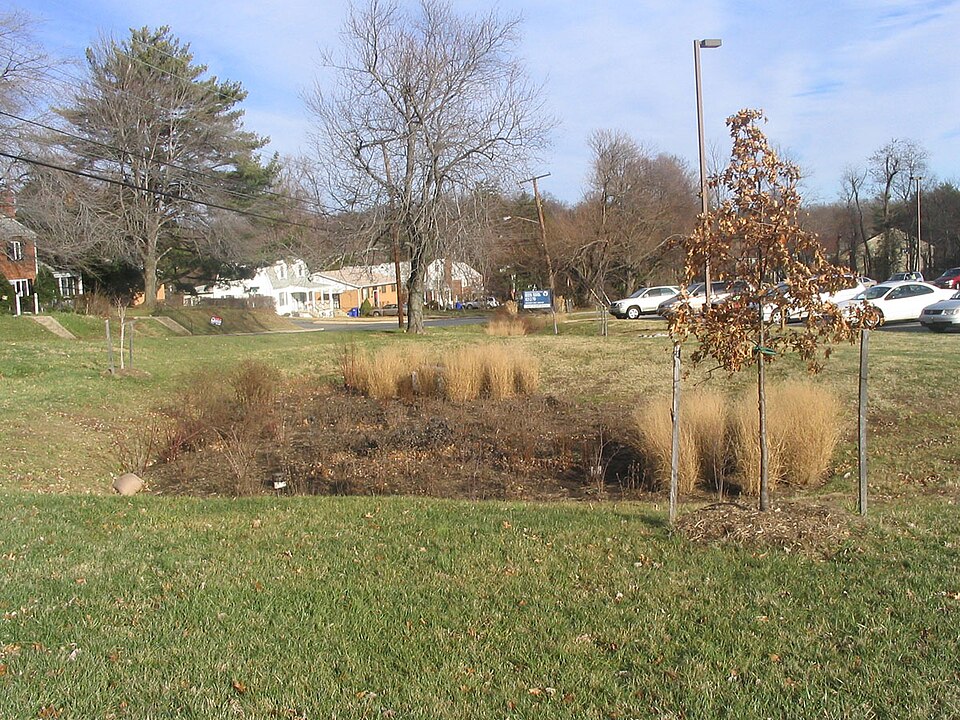
For a repair at ground level, consider how the new material will meet the existing soil and finished grade. You should not bury tree trunks, cover important drainage features, or raise ground against the house simply to use up the remaining pile.
If the job changes drainage or significant elevations, get suitable design advice first. Buying soil is easy, but determining where water goes afterward is a separate question that a bag label does not answer.
Give containers a container mix
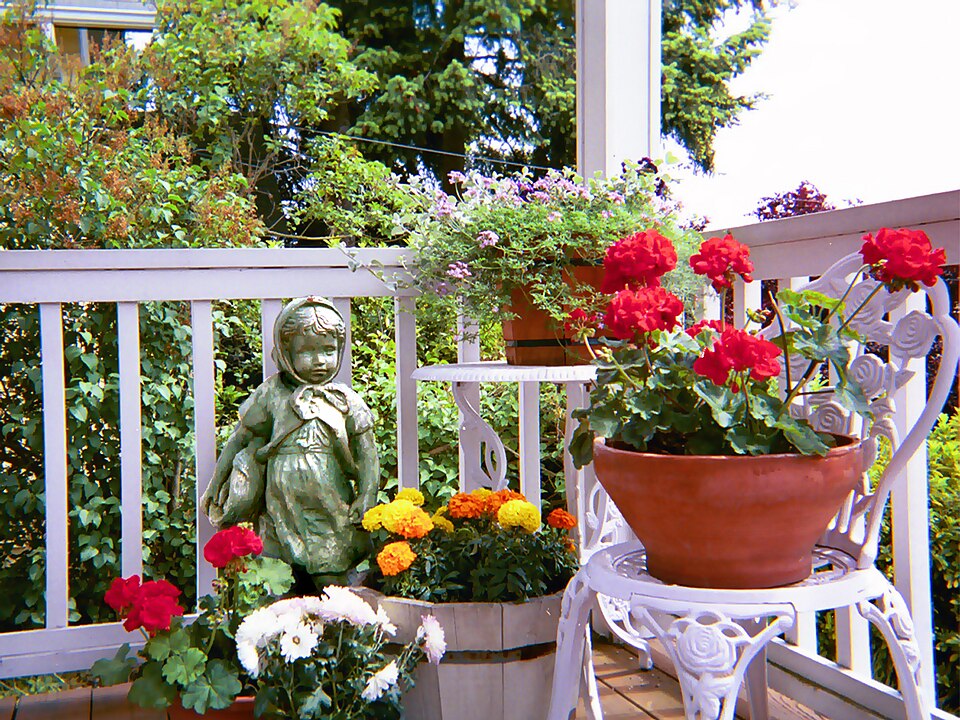
A pot has a defined boundary, so its roots depend on the material you put inside and the drainage the container provides. Choose a growing mix labeled for the intended container use and check any crop-specific needs before planting.
Minnesota's guidance describes potting mixes as lightweight materials commonly made with components such as peat, compost, perlite, and vermiculite. It contrasts them with heavier garden soils that can restrict air and water movement in containers.
Look for information about included fertilizer and moisture management on the actual bag. If fertilizer is already present, record that before adding another product, and use the stated directions rather than assuming the mix needs immediate feeding.
A specialized crop may need a specialized medium, so do not force every plant into the same all-purpose mix. For an ordinary first container, keeping the plant and the mix simple makes it easier to understand watering before you begin experimenting with complicated recipes.
Treat raised beds as their own project
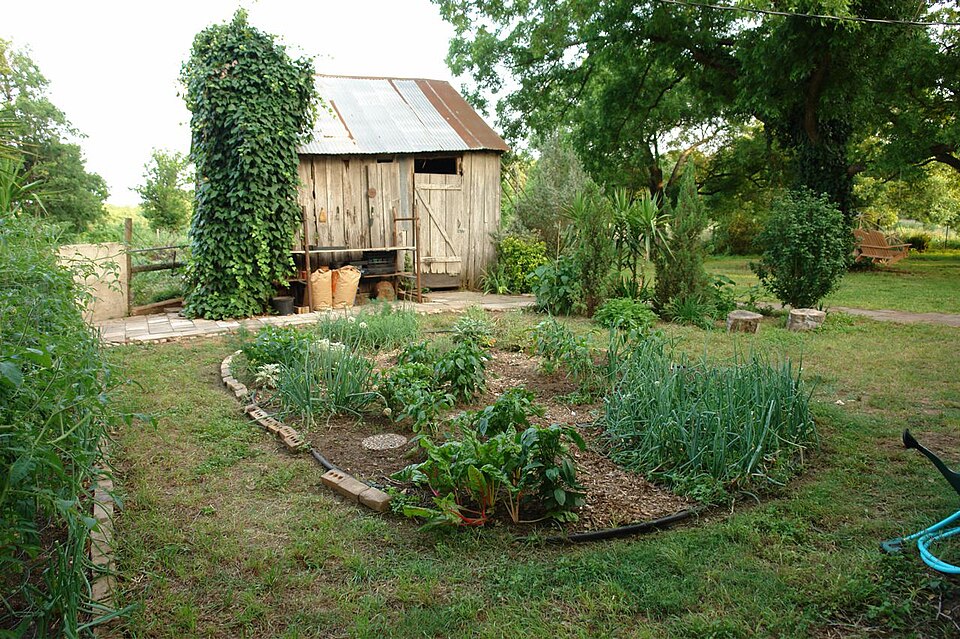
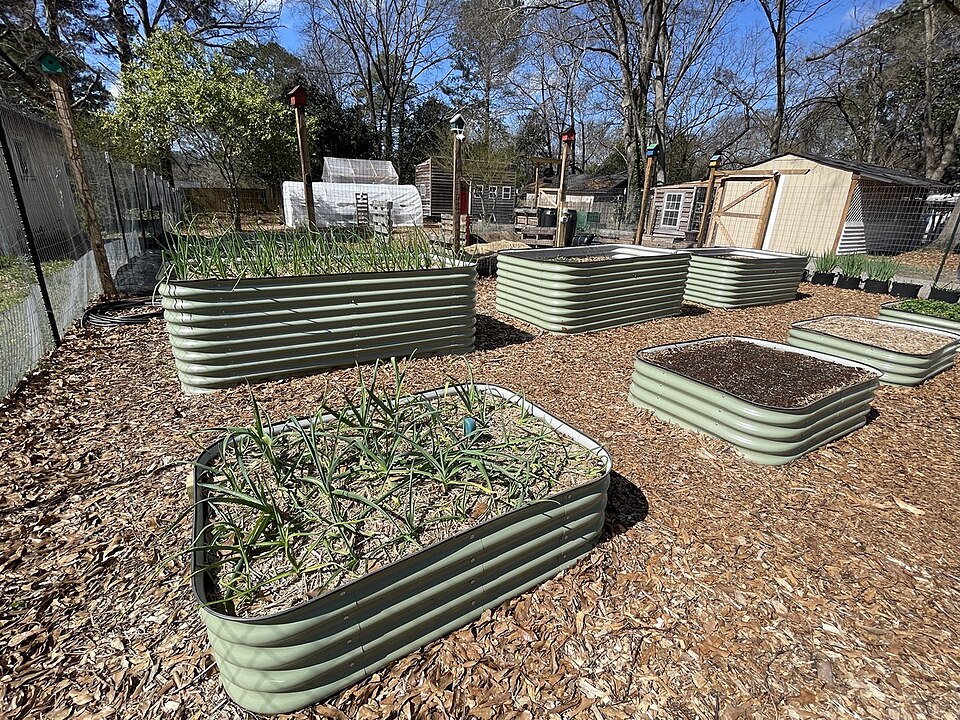
A bed resting on open soil and a shallow elevated planter with a solid bottom are different root environments. Before following a raised-bed recipe, look at how the structure connects to the ground, how deep it is, and where excess water can leave.
Check the guidance for the actual design rather than assuming the word raised settles the question. An elevated box can behave more like a container, while a deeper bed open to the soil below raises different questions about fill, existing ground, and long-term settling.
Do not build the filling plan around whatever happens to be cheapest that week. Record the bed's internal measurements, the intended planting depth, and the material recommended for that setup, then compare suppliers on equivalent quantities.
Where you are uncertain, ask your local Extension office with a photograph of the empty bed and its base. That gives the adviser a real structure to assess instead of the ambiguous phrase raised garden that different readers picture differently.
Calculate volume before loading the cart
For a rectangular space, multiply length by width by the depth you intend to fill, using the same units throughout. A four-by-six-foot area filled to a depth of half a foot needs twelve cubic feet before any project-specific allowance.
If your depth is measured in inches, divide it by twelve to express it in feet before multiplying. A common mistake is multiplying two foot measurements by six inches as if the six were already feet, which produces a quantity twelve times too large.
Compare bag sizes by volume rather than by how large the package looks. Moisture, compression, and packaging shape can change appearance, so the printed volume is a better starting point for a useful price comparison.
For bulk deliveries, confirm the order units and ask how the material is measured. Keep the delivery location accessible and protect the places you need to walk, rather than letting a convenient dump spot block the entire yard for a week.
Handle leftovers without inventing another problem
Keep unopened bags according to the manufacturer's storage instructions and save their labels. You will want those details when you reuse the material or need to explain which mix was in a struggling container.
Do not pour leftover topsoil into every pot or heap leftover compost around existing stems just to make the pile disappear. A material does not become suitable because you have already paid for it and would like the driveway clear.
If you have more than you can use appropriately, consider sharing it with someone who has a matching project. Describe the actual product and source, especially if the material contains manure or added fertilizer, so the recipient can decide whether it fits.
Protect stored material from washing into drains or spreading across walkways. For a substantial pile, ask the supplier about sensible storage and cover, particularly if weather or project delays mean it will remain in place longer than expected.
Make three separate shopping decisions
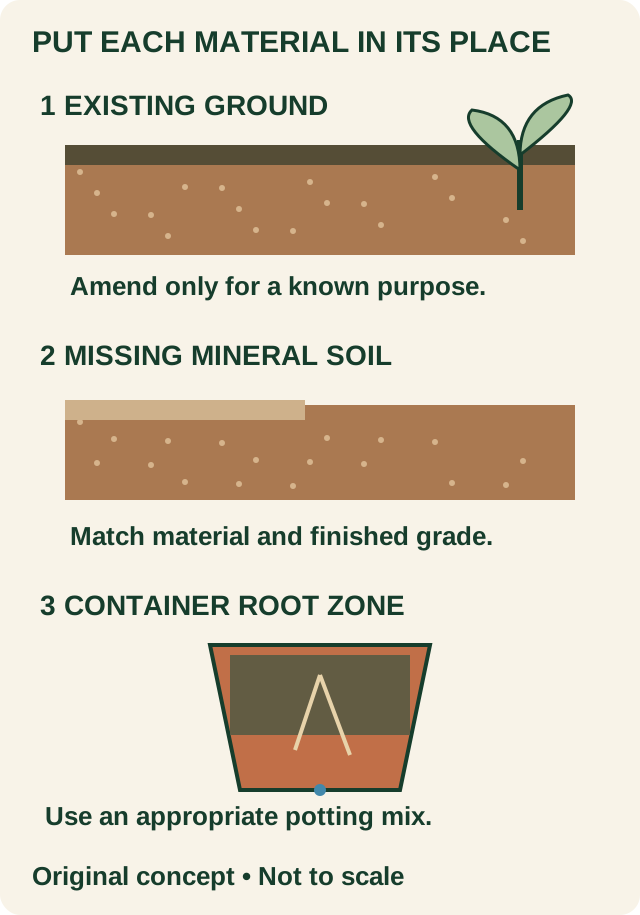
For an existing bed, ask whether you need an amendment and what evidence supports the quantity. For missing mineral soil at ground level, investigate suitable topsoil and the finished grade, and for a pot, choose an appropriate container growing mix.
Write those uses on your shopping list beside the quantities. That makes it easier to resist a discounted bag that has a similar color on its label but a different purpose in its instructions.
After planting, keep watering observations and amendment records with the product information. If a container dries unusually fast or a bed performs poorly, those records give you a way to investigate the setup without guessing what went into it.
The useful distinction is where each material helps the roots you are trying to support. Once you match the material to that physical setting, the aisle becomes a series of practical choices instead of a competition for the richest-looking bag of dirt.
Sources & further reading
Exact documentation checked October 15, 2026. Original examples and illustrations; no hands-on product testing or professional certification claimed.
- Starting your garden and containers off rightPotting mix is a lightweight container medium; heavy garden/topsoil products suit different settings and can restrict container air/water movement.
- Organic Matter and Soil AmendmentsCompost is an amendment rather than mineral topsoil; feedstock affects nutrient contribution and quantity should have a known purpose.