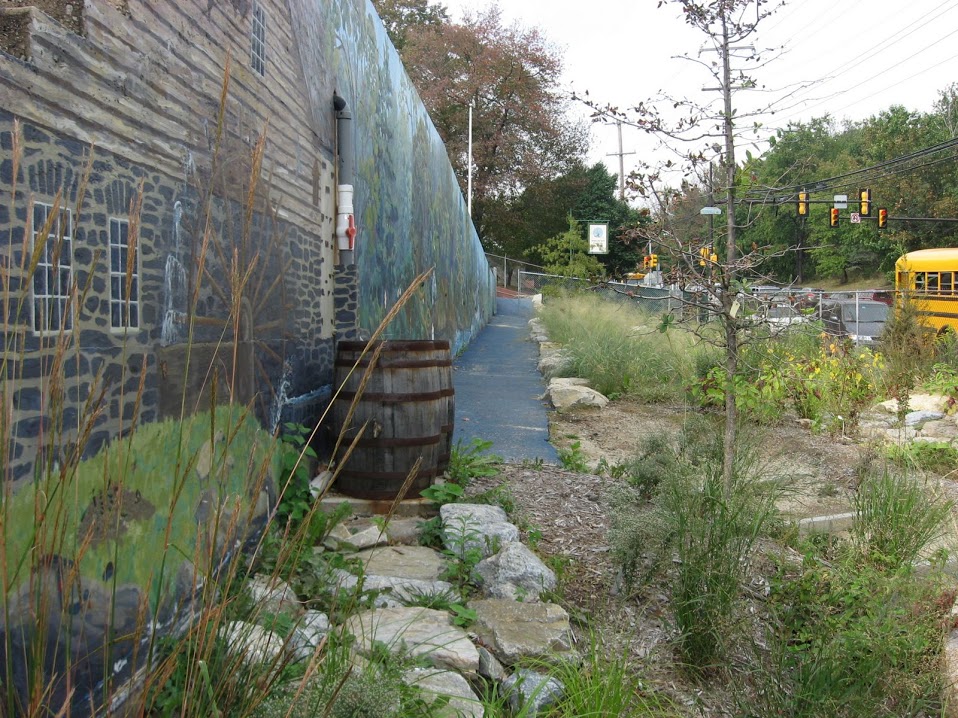
Start with the containers you overlook
When mosquitoes make the patio unpleasant, it is tempting to search for one dramatic source. Start smaller: a saucer behind a pot, an unused toy, or a folded cover can hold water right where you spend time.
Your goal is a repeatable water check, not a promise that you can eliminate every mosquito in the neighborhood. Conditions beyond your fence and different mosquito species can affect what you notice outside.
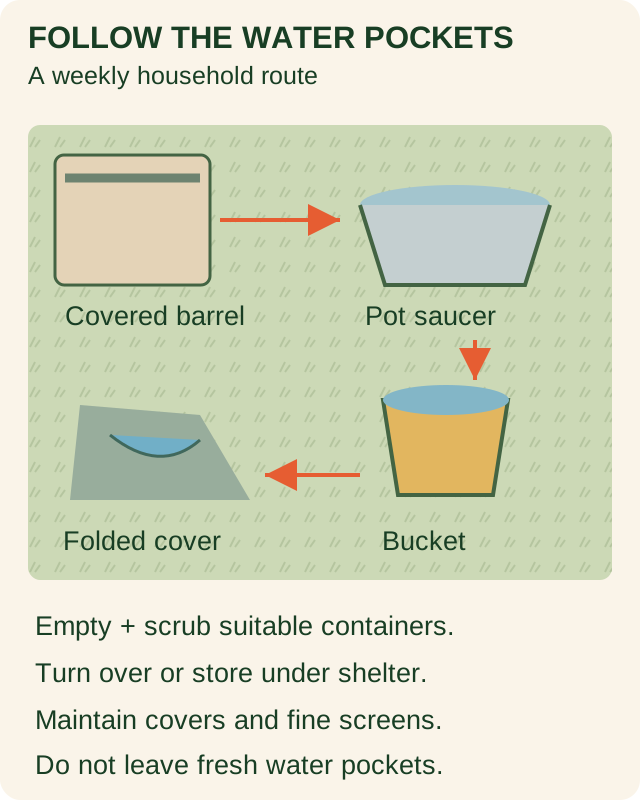
The CDC recommends a weekly routine of emptying and scrubbing, turning over, covering, or discarding items that hold water. Use that routine as your foundation, then fit the route to your particular yard.
Pick a regular day you can remember without a special app. If rain changes the scene between checks, take another look at newly filled containers when it is safe to go outside.
Keep your first walk manageable. One carefully checked patio and storage corner is more useful than an ambitious property-wide list that you abandon after the first weekend.
Follow a route from the house outward
Begin at the back door and move in a consistent direction around the yard. A repeated route helps you notice the same hidden places without depending on a fresh burst of motivation each week.
Look down, behind, and underneath objects you normally see only from a chair. The underside of a folded wheelbarrow cover may collect water even when the visible top looks dry.
Include buckets, planters, toys, trash containers, tires, and the low points of tarps. Check items waiting for a future project, because a forgotten container does not become harmless simply because you intend to use it later.
Make a small map with three types of action: empty now, change storage, and repair or ask for help. This keeps a simple household task from disappearing into a vague list of things to improve someday.
Do not climb onto roofs or unstable structures to complete the map. Record inaccessible drainage concerns for someone equipped to inspect them safely, and continue with the reachable items.
Empty, scrub, and change the position
Pour out water where it can drain appropriately without creating another standing puddle. Then clean the container as its material and intended use allow, rather than simply refilling a dirty vessel.
The CDC's recommendation includes scrubbing water-holding items, not only tipping out their contents. Build that extra action into the routine for containers you plan to keep using.
After cleaning, decide where the item should live. Turning a bucket upside down under cover is often easier to maintain than remembering to empty the same upright bucket after every rainfall.
A toy bin needs a storage plan that actually works for your household. If children regularly leave it open, choose a sheltered location or a container arrangement that does not depend on a perfectly replaced lid.
For a tarp, examine the entire surface for folds and low pockets. A taut-looking edge can hide a sagging middle, so inspect the places where water naturally settles rather than judging the cover from one angle.
Treat useful water containers differently
Some outdoor containers have a job that involves keeping water. A rain barrel, watering supply, or similar vessel needs a suitable cover and maintained openings rather than an instruction to abandon its purpose.
The CDC advises tightly covering water-storage containers and screening containers without lids with mesh smaller than an adult mosquito. Check the whole assembly, including inlets, overflow openings, and gaps around a loosely seated cover.
Follow the rain-barrel manufacturer's installation and maintenance directions. A cover that blocks an intended overflow or an improvised screen that clogs can introduce drainage problems of its own.
Inspect the screen for tears and check that it still fits after you remove it for cleaning. A good component left beside the barrel does nothing for the opening it was meant to protect.
Keep children and pets away from unsecured water-storage vessels. Choose a safe, stable arrangement designed for the purpose, and ask the manufacturer about any missing or damaged cover parts.
Give birdbaths and pet bowls a real routine
A birdbath is an intentional water feature, so decide who will maintain it before you choose where it looks best. A beautiful bowl in a hard-to-reach corner can become a chore you repeatedly postpone.
Include emptying and cleaning in your regular routine, using appropriate guidance for the vessel and its animal visitors. Do not assume that adding fresh water on top replaces cleaning the surface underneath.
For pet bowls, follow suitable pet-care and bowl-cleaning guidance as well as your yard check. Keep the water supply useful and hygienic for the animal instead of treating the bowl as ordinary discarded clutter.
Place cleaning tools where you can reach them quickly. A dedicated brush and a convenient refill route can make the difference between a plan you admire and one you actually follow.
If you cannot reliably maintain an ornamental container of standing water, reconsider its role. A dry planting container or another decorative feature may fit your available time better.
Notice drainage patterns without guessing a fix
Walk the yard after ordinary rain once surfaces are safe. Note where water remains, how long you observe it, and whether a movable object is blocking an established drainage path.
Remove reachable debris from equipment only within its normal care instructions. Do not redirect runoff toward a neighbor or dig beside utilities because one wet patch seems inconvenient.
A persistent puddle beside a building deserves attention to the underlying drainage situation. Record photographs and the conditions when it appears so an appropriate professional can evaluate something more useful than a vague description.
Remember that a wet planting bed and a water-filled bucket are different problems. Avoid turning a mosquito checklist into an excuse to drain a beneficial habitat or alter protected areas without understanding the site.
Your first responsibility is to recognize the distinction and ask the right question. You do not need to design a drainage system during a weekly container check.
Keep products in their proper place
If you are considering a mosquito-control product, identify the exact problem and read the current label before using it. The CDC directs users to follow label instructions for larvicides and adulticides.
Do not pour household chemicals into collected water or invent a stronger mixture. A substance that damages mosquitoes may also create hazards for people, animals, plants, or the water system receiving runoff.
Keep product decisions separate from the easy physical actions already on your list. Removing an unused water-filled bucket is a clear task even when you have not decided whether any treatment is appropriate elsewhere.
For a complicated property or an inaccessible source, contact your local mosquito-control or public-health service for relevant guidance. Local advice can address conditions that a general backyard article cannot identify from a distance.
This guide is about managing household water-holding spots. For questions about illness, bites, or personal protection, use current public-health and medical guidance suited to your circumstances.
Make the weekly check easy to repeat
End your first walk by reducing the number of objects you must check next time. Store empty containers properly, discard unwanted items responsibly, and repair covers instead of repeatedly working around them.
Put the short route somewhere visible, perhaps beside your watering supplies. Give each recurring location a plain name such as shed corner or blue planter so another household member can help.
Leave room for seasonal changes. A summer paddling pool, a winter furniture cover, and a new stack of nursery pots can create different water-holding places at different times.
After a few rounds, review which spots keep returning to the list. Change the storage arrangement at those locations so the routine gradually becomes simpler rather than growing into an endless inspection project.
A useful result is a yard where you understand where water collects and have a workable way to manage it. That is a concrete improvement you can maintain even when the weather and the wider neighborhood remain outside your control.
Sources & further reading
Exact documentation checked October 15, 2026. Original examples and illustrations; no hands-on product testing or professional certification claimed.
- Mosquito Control at Home — CDCWeekly empty/scrub/turn/cover routine; covering stored water; no blanket insecticide claim
.jpg)