Decide whether the care routine fits
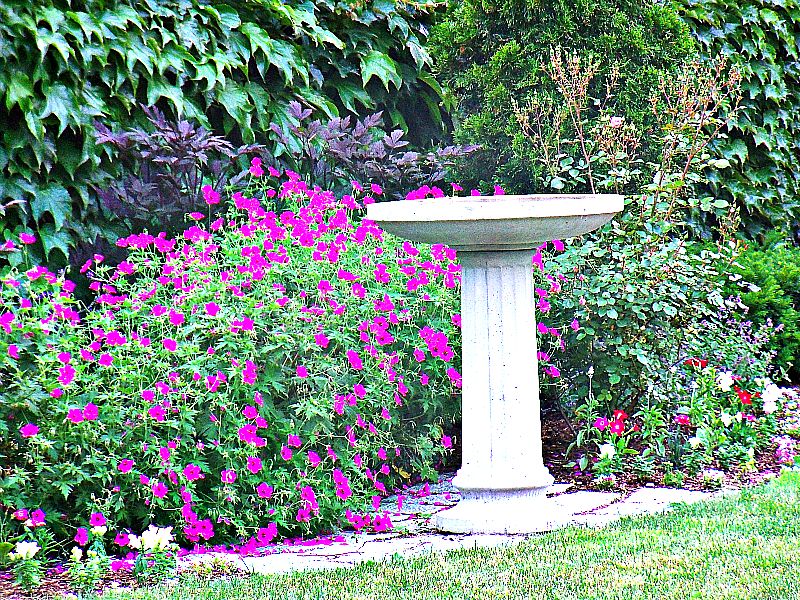
A birdbath can be a pleasant reason to look out at your yard, but it also adds a recurring cleaning job. Before you choose a decorative bowl, decide how you will empty, scrub, and refill it.
Picture an ordinary busy week rather than an ideal Saturday. If reaching the proposed location requires moving furniture and carrying heavy water, that attractive corner may be harder to maintain than you expect.
Start with a manageable vessel you can handle safely. An elaborate, heavy arrangement is not automatically more useful than a simpler bath whose surfaces you can actually reach.
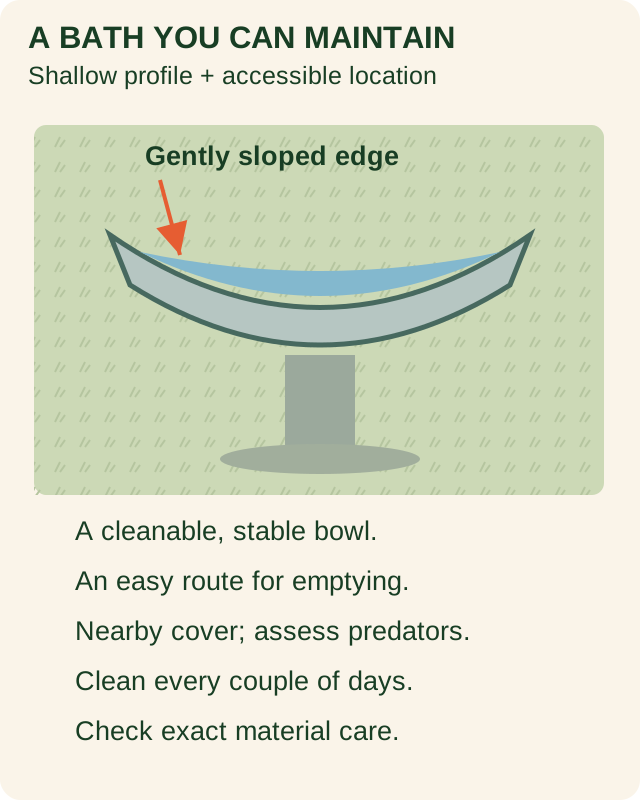
Cornell Lab guidance describes a shallow, gently sloping, easily cleaned bath that resembles the puddles birds use. Treat that as a practical design direction while checking the exact dimensions and construction of any product you consider.
You are making a household habitat choice, not guaranteeing which birds will visit. Local species, surrounding cover, season, and nearby water can all affect what happens after installation.
Read the bowl as a physical object
Look at the shape from the edge toward the center. A gradual slope gives you a different arrangement from a steep-sided basin with a deep center and little shallow area.
Check whether the surface provides stable footing and whether you can see and clean its contours. Decorative recesses may look appealing in a shop while creating awkward spots for a brush later.
Ask how the bowl comes off its support and where the water will go when you empty it. A removable bowl can be convenient, but only if its size and weight remain manageable when wet.
Inspect the material and finish for damage, sharp edges, and cleaning restrictions. Read the manufacturer's instructions instead of assuming a concrete bowl, glazed ceramic dish, and resin vessel tolerate the same handling.
Do not solve a poorly suited bowl by piling in unstable objects. If you use any feature intended to improve access, make sure it is secure, cleanable, and appropriate for the bath rather than a new hazard.
Choose a location you can see and reach
Walk the proposed location with an empty bucket and your cleaning brush. That simple rehearsal can reveal a narrow gate, slippery route, or awkward reach before you commit to a heavy pedestal.
Cornell's guidance discusses shade and nearby trees or shrubs as part of a suitable setting. Use those ideas thoughtfully, while looking at the actual cover and possible predator hiding places in your yard.
A location that appears sheltered from your kitchen can look very different at ground level. Examine how a visiting bird would approach and what dense cover sits immediately beside the bowl.
Keep the bath away from household hazards and activities that repeatedly disturb it. A busy play route, a dog tether, or a door that swings into the stand can undermine an otherwise sensible placement.
Consider the view from inside as well as outside. Seeing the bath makes observation easier and helps you notice when the water or bowl needs attention without turning every check into a separate trip.
Check the base before adding water
Set the support on a firm, level surface that suits its design. A pedestal rocking on uneven soil can become more unstable after rain softens the ground underneath it.
Follow the installation instructions for the particular bath, including any fastening or assembly requirements. Do not assume the weight of water is an adequate substitute for the manufacturer's intended support.
Check the connection between bowl and base. A removable part should sit securely in its intended position, without relying on an improvised wedge that another person might accidentally dislodge.
Look for trip hazards around the finished arrangement. A low decorative bowl beside a frequently used path can disappear into shadows or planting, especially when someone carries tools or laundry.
Test your ability to reach the cleaning surfaces before filling the bath. If the only comfortable working position involves leaning across a thorny plant or standing on an unstable edge, change the layout now.
Make cleaning a specific task
Cornell advises cleaning a birdbath every couple of days, with attention to algae and dirty surfaces. Plan for that recurring work rather than waiting until the bowl looks dramatically unpleasant.
Use a dedicated brush and follow appropriate cleaning guidance for the vessel. If a cleaning product is recommended for your setup, follow its directions and rinse as required before making the bath available again.
Keep the cleaning equipment separate from items used for food preparation. Put it somewhere accessible so the routine does not begin with a search through several cupboards.
Notice what makes the bowl dirty in your particular location. Falling plant material or nearby activity may mean you need to check it more often than your initial schedule suggests.
Record who handles the bath when you travel. If nobody can maintain it, leaving an empty, safely stored bowl may fit your absence better than leaving neglected standing water behind.
Refill thoughtfully and watch what changes
After cleaning, refill the bath according to its intended shallow arrangement. Do not keep raising the water level simply because a deeper-looking bowl seems more substantial from the patio.
Watch for leaks and water running beneath the support. A damaged bowl or an overflowing refill can leave the surrounding surface slippery while making the bath empty sooner than you expect.
Use ordinary observation to refine your routine. Note whether the bath dries quickly in a particular position, collects debris after a windy day, or is difficult to reach once adjacent plants grow.
Avoid interpreting every quiet afternoon as a failed installation. Birds may not visit while you are watching, and a new object can take time to become part of the familiar surroundings.
Keep your notes modest and descriptive. A record of water condition, cleaning dates, and visible visitors is useful without becoming an unsupported claim that one design is best for every bird.
Plan for weather and seasons
Read the material-specific guidance before leaving the bath outside in freezing conditions. A vessel that handles ordinary rain may still need draining or storage when temperatures fall.
Cornell warns against adding antifreeze or glycerin to birdbath water. Do not improvise additives to keep water liquid, and keep any unsuitable chemical supplies away from the vessel.
If you consider heated equipment, select a purpose-made system and follow its exact electrical and installation instructions. An outdoor power arrangement deserves appropriate protection and, where needed, professional advice.
Plan a safe seasonal storage place for removable parts. Drying and storing a bowl carefully is easier when you have already chosen a stable shelf or floor location that will not block household access.
Recheck the base when you reinstall it. Soil movement, plant growth, and changes to nearby furniture can make last season's arrangement less suitable without anything being visibly broken.
Choose the bath you can maintain well
Before buying, compare two realistic locations and write down the cleaning route for each. A slightly less decorative position may be much easier to care for and observe through an ordinary week.
Then compare vessels by the features that affect that routine: manageable weight, accessible surfaces, suitable depth and slope, secure support, and clear care instructions. Decoration can come after those decisions.
If you already own a bath, test the routine before replacing it. A better location or clearer cleaning arrangement may solve the practical problem you first blamed on the bowl.
Leave room to change your mind after observing the yard. You can move a suitable bath or pause its use without treating the first placement as a permanent landscape commitment.
A useful birdbath is a maintained water source within a thoughtful setting. When you can explain how you will support it, clean it, refill it, and handle changing weather, you are ready to choose with much more confidence.
Sources & further reading
Exact documentation checked October 15, 2026. Original examples and illustrations; no hands-on product testing or professional certification claimed.
- Providing Water for Birds — Cornell Lab of OrnithologyShallow sloping cleanable bath, placement and cleaning frequency