Begin with one connected patch
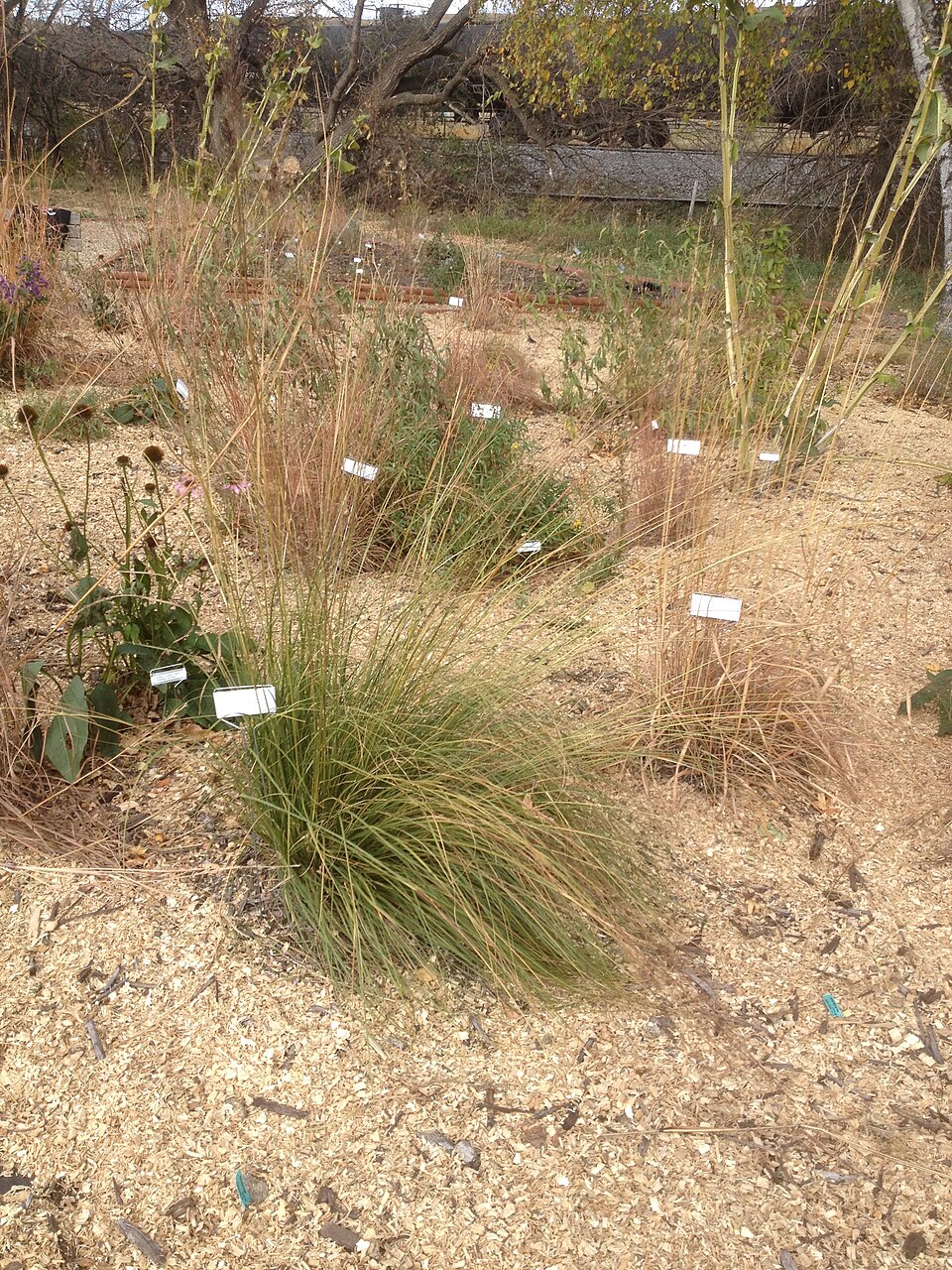
You do not need an enormous meadow to make thoughtful changes to a small backyard. Start with a planting area you can care for well, then improve its usefulness before scattering a few flowers into every available corner.
Choose a patch you can observe from a path or window. You are more likely to notice bloom gaps, dry soil, and struggling plants when checking them fits naturally into your day.
Your first sketch can be simple: existing plants, open planting space, walking routes, and the places where people sit. Leave room for normal household movement so the new planting does not become an obstacle.
A pollinator planting supports animals with different needs, and no short plant list can represent every region. Treat your local climate, site conditions, and regional native-plant guidance as the starting point for choosing species.
The U.S. Fish and Wildlife Service points gardeners toward regional native plants and a sequence of blooms through the growing season. Use that broad direction to build a specific plan for your own patch.
Learn what the site actually offers
Watch the proposed area at several times of day before you shop. A sunny-looking patio edge may spend most of the afternoon behind a fence shadow, while a narrow strip near the gate stays exposed.
Record the soil conditions you can observe without pretending to diagnose everything by touch. Note whether the site stays damp, dries rapidly, or receives runoff from a nearby surface.
Check the mature size of each candidate plant against the space you actually have. A small nursery pot can grow into a shrub that crowds the route you need for a hose or lawn mower.
Include nearby uses in your assessment. A planting directly beside a busy doorway serves a different household situation from a border at the far end of the yard.
If a species appears appealing but its requirements do not match the site, keep looking. A regionally appropriate plant still needs a location where it can grow well without constant rescue.
Build a local shortlist
Use a regional native-plant list from a credible local organization or your extension service. Then check the scientific name and growing requirements so a similar common name does not lead you to a different plant.
The Fish and Wildlife Service's regional resources can help you begin that search. A local nursery familiar with native plants may also help you understand what is available and how large it becomes in your conditions.
Ask clear questions before buying: is this the listed species, a named cultivar, or a different plant sold under a familiar label? Record the answer rather than assuming every similar flower has the same value or behavior.
Consider where the plant came from and what care it has received. Ask the seller about relevant treatments instead of inventing assurances about an unknown nursery supply chain.
Keep your first shortlist short enough to compare. Four well-matched candidates with known mature sizes are easier to arrange than twenty attractive names collected from unrelated regions.
Plan flowers across the season
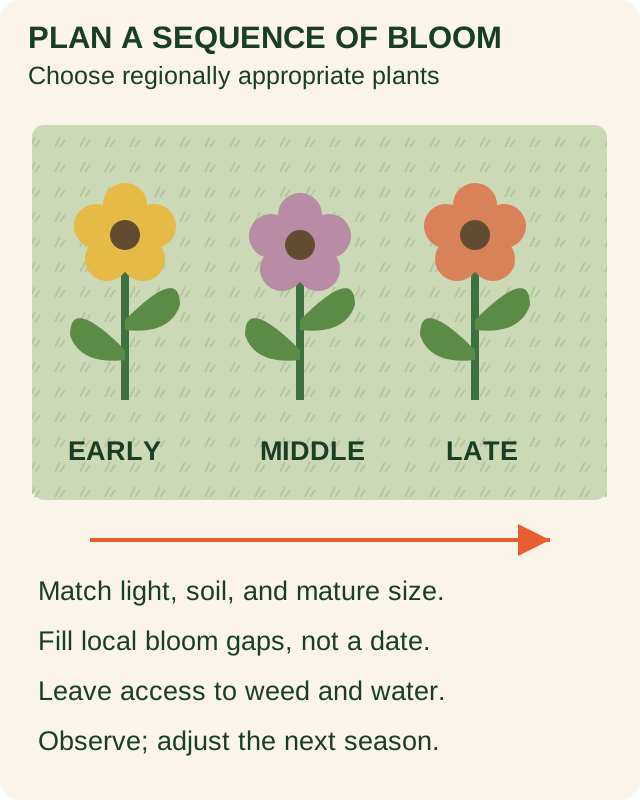
Draw a rough local growing-season timeline and mark when your existing plants usually flower. Your own observations can reveal a quiet stretch that an impressive summer photograph would never show.
Look for additions that help fill those gaps, using reliable local bloom information as a guide. Timing can shift with weather, so treat the chart as a planning tool rather than a guaranteed appointment calendar.
The Fish and Wildlife Service emphasizes a sequence from early spring into late fall where appropriate. Your region and plant choices determine what that sequence can realistically look like.
Group compatible plants in a way you can maintain and recognize. An intentional patch makes it easier to notice a missing plant, a dry corner, or a new weed before the whole border becomes confusing.
Leave enough room for the plants at maturity. A crowded first-year display can turn into an awkward second-year problem that forces you to cut back flowering growth you meant to provide.
Think beyond a flower photograph
Flowers are an obvious part of the plan, but the whole yard affects how the planting functions. Look at shelter, the condition of existing plants, and the maintenance habits surrounding the new patch.
Before clearing every stem or leaf, identify what you are removing and consult local habitat guidance. Different insects use different parts of a garden, and a universally tidy appearance is not a complete habitat goal.
At the same time, keep paths, sightlines, and necessary access usable. You can retain appropriate plant material in a defined border while keeping a clear edge that makes the planting understandable to your household.
Do not add a commercial insect hotel simply because it appears in garden photographs. Research its species, design, cleaning requirements, and local suitability before deciding whether it has a useful role.
Avoid promising that one purchased object will create a complete habitat. A healthy, well-chosen planting and a workable maintenance routine deserve attention before decorative extras.
Change your maintenance habits deliberately
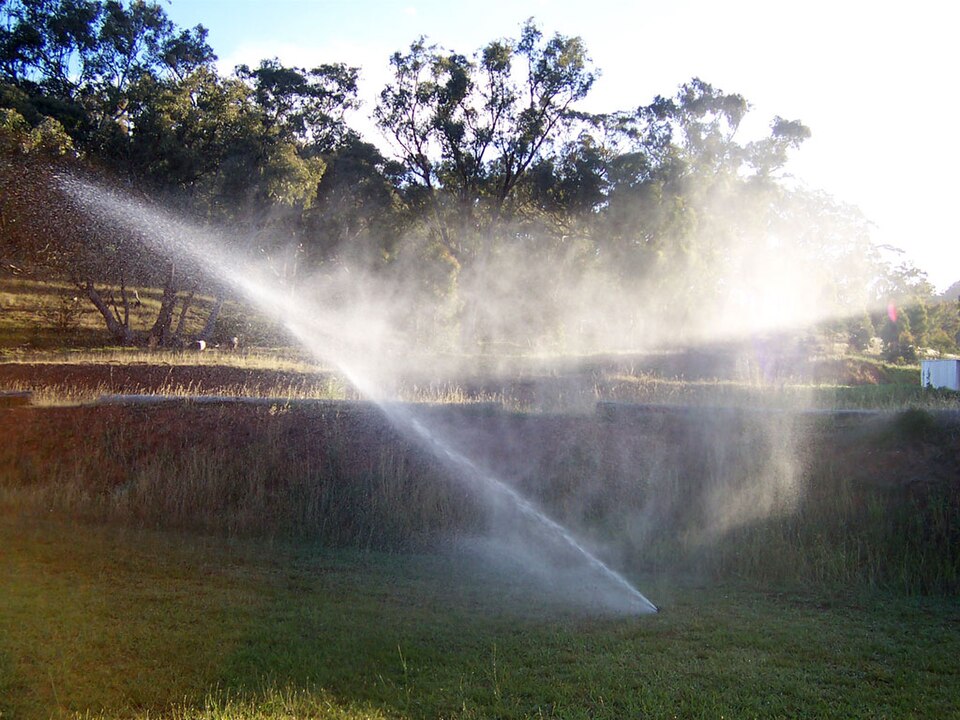
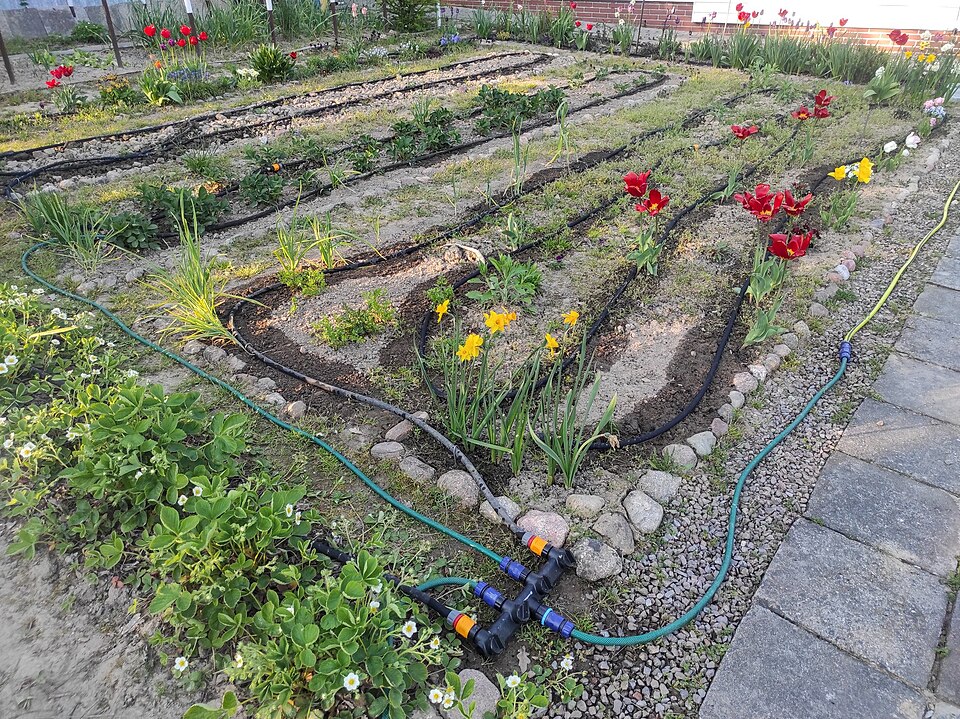
Write down what ordinary care the new plants need while they establish. Watering, weeding, and checking protective supports should have an owner and a realistic place in your week.
If a plant has a problem, identify it before applying a product. A chewed leaf, a dry root zone, and disease damage require different responses, and an unidentified symptom is a weak basis for treatment.
Read the current label of any pesticide you are considering, including restrictions relevant to flowering plants and pollinators. Do not rely on a reassuring word on the front of a package in place of its actual directions.
Keep tools and foot traffic out of the planted area when possible. A narrow stepping route can help you reach the back of the bed without repeatedly crushing the soil around young plants.
Set a modest standard for the first season. Keeping a small, suitable group alive and recording its behavior is more useful than immediately rebuilding the rest of the yard.
Observe without inventing a success score
Spend a few quiet minutes looking at the patch at different times and in different weather. Write down what you actually see rather than assuming every visitor is the same kind of bee.
A photograph can help you compare observations or ask a local identification group a better question. Avoid handling unfamiliar insects or disturbing nests to obtain a closer look.
Track the plants as carefully as the visitors. Record which ones flowered, which remained healthy, and which struggled in the actual light and moisture of the site.
Do not claim that a week of observations measures the ecological impact of the whole garden. Weather, time of day, neighboring habitat, and your own observation time can all influence what you notice.
Use the notes to guide your next decision instead. If the patch flowers well in June but has little later interest, your next addition can address that specific gap.
Expand only after the first patch teaches you
At the end of the season, compare your original sketch with the space the plants now occupy. Notice where mature growth worked well and where a path, chair, or neighboring plant became crowded.
Keep the successes that fit both the habitat goal and your available care time. Replace a repeated struggle with a better-matched plant rather than assuming extra effort will always overcome an unsuitable location.
If you expand, connect the new area to the logic of the first patch. Add a missing bloom period, improve a sparse edge, or create a clearer maintenance route instead of starting a completely unrelated collection.
Share the basic plan with anyone who helps care for the yard. A retained stem or leaf patch is easier to protect when another person understands that it is intentional.
Your small backyard becomes more useful through a sequence of informed choices. You can keep learning from that patch without needing to make claims about every insect, every season, or every garden in your region.
Sources & further reading
Exact documentation checked October 15, 2026. Original examples and illustrations; no hands-on product testing or professional certification claimed.
- Top plants for your pollinator garden — USFWSRegion/local growing-condition matching; bloom sequence from spring through fall
.jpg)